Book a Consultation
Classifications and Credentials:


How Often Should Industrial Rail Track Be Inspected Under FRA Rules?
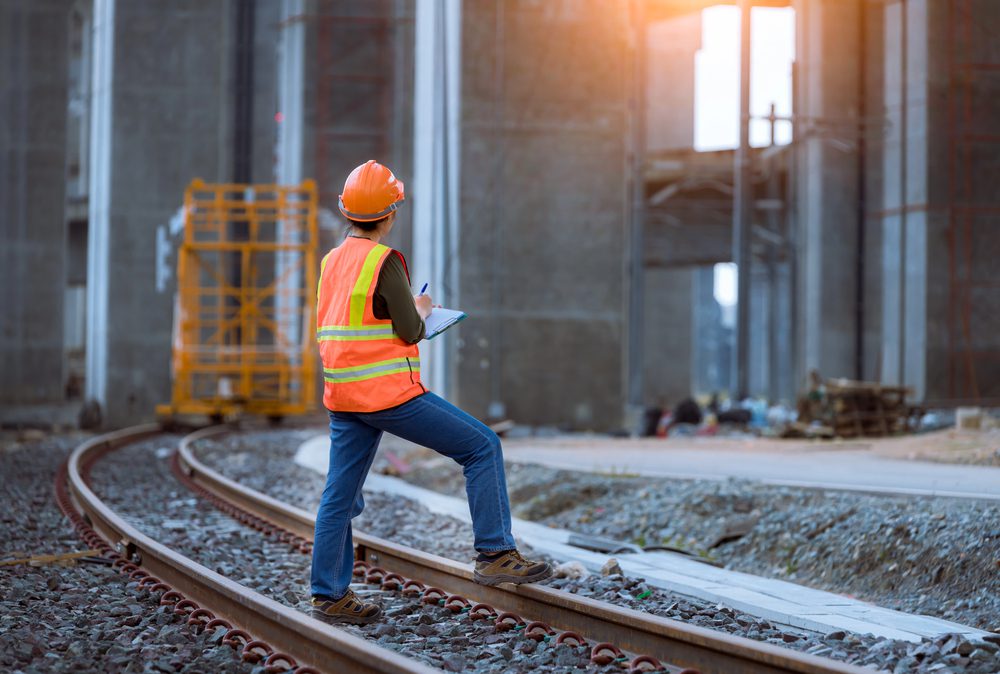
One of the most common questions we hear from railroad operators and industrial facility managers across Kentucky, Illinois, and Tennessee is deceptively simple: how often does our track actually need to be inspected? It sounds like a straightforward question, but the answer depends on several factors that many facility owners do not fully understand until a compliance issue forces the conversation.
The stakes are real. Missed or inadequate inspections on industrial rail track can lead to derailments, equipment damage, and serious injuries. An unplanned operational shutdown at an industrial facility can be far more expensive than any proactive inspection program.
At Track Tech Inc., we have spent more than 30 years helping clients maintain safe, compliant rail infrastructure across our tri-state service region. We have seen firsthand what happens when inspection requirements are misunderstood or deferred, and we have helped countless operators build programs that keep them ahead of FRA requirements rather than scrambling to catch up. In this article, we will walk through the FRA track classification system, the specific inspection intervals the regulations require, what qualified inspectors actually evaluate, the most common violations we encounter on industrial track, and how to build a proactive compliance program that protects your operations long-term.
FRA Track Classifications and Why They Determine Your Inspection Schedule
Before you can build an inspection schedule, you need to know where your track stands in the FRA’s classification system. Under 49 CFR Part 213, the FRA organizes track into categories based on the maximum allowable operating speeds for freight and passenger service. Each class carries its own set of safety standards, and those standards directly determine how often your track must be inspected.
The classification system runs from Excepted Track at the lowest end through Classes 1 and 2 for slower operations, up through Classes 3, 4, and 5 for progressively higher-speed operations. Class 5 track, for example, supports freight speeds up to 80 mph and passenger speeds up to 90 mph. That is mainline territory, with inspection requirements to match. Most industrial operators are working at the other end of that spectrum.
Excepted Track, defined under 49 CFR 213.4, is a category unto itself. It is limited to freight service only, with a maximum speed of 10 mph, and it cannot be used for passenger service or the transport of hazardous materials in certain quantities. The trade-off for those restrictions is that Excepted Track is held to fewer prescriptive safety standards than classified track. However, that does not mean it is a free pass. Inspection requirements still apply, and operators sometimes make the mistake of treating Excepted Track as though it exists outside the regulatory framework entirely.
Class 1 track allows freight operations up to 10 mph and passenger operations up to 15 mph. Class 2 permits freight up to 25 mph and passenger up to 30 mph. For most industrial spur lines, yard tracks, and facility sidings we work on in our service area, the track falls into Excepted Track or Class 1 classification. Occasionally we see Class 2 designations on busier industrial segments, but the majority of facility-based rail infrastructure operates at the lower end of the speed spectrum.
The classification assigned to your track is not always intuitive. Some operators assume that because their spur line sees light use or connects only to a single loading dock, it falls outside normal FRA oversight. If that track is connected to the general railroad system of transportation, FRA rules apply. Understanding FRA railroad compliance requirements is essential because the connection to the broader rail network is what triggers federal jurisdiction, not the volume of traffic or the speed of operations.
Minimum Inspection Frequencies the FRA Requires by Track Class
Once you know your track classification, the inspection frequency requirements become much clearer. The governing regulation is 49 CFR 213.233, which specifies how often track must be inspected and under what conditions. These are minimums, not recommendations, and the FRA treats them accordingly during enforcement actions.
For Excepted Track, the regulation requires inspection before the track is used if it has been out of service for a period of time. The specific requirement is that the track must be inspected before it is returned to use following any period of inactivity. This is a nuance that catches some operators off guard, particularly at industrial facilities where a spur line might sit dormant for weeks or months between shipments. The assumption that dormant track is safe track is a dangerous one.
Class 1 and Class 2 tracks require visual inspection at least once every week. That weekly cadence is the floor, not the ceiling. Class 3 track requires inspection at least twice per week. Class 4 and Class 5 tracks require inspection at least twice per week as well, though the nature and rigor of those inspections scale with the operating speeds and traffic volumes involved.
The regulations also distinguish between types of inspections. A visual inspection, which can be conducted on foot or by hi-rail vehicle, satisfies the basic frequency requirement for lower-class track. However, the FRA also recognizes the need for more detailed assessments on certain segments, including geometry measurements and ultrasonic rail flaw detection. Scheduling a professional track inspection catches defects a visual inspection alone cannot reliably identify.
Operational reality in our region adds another layer of complexity. Our service region experiences significant freeze-thaw cycles through the winter months. Those temperature swings affect rail alignment, loosen joint bars, and compromise drainage systems in ways that can develop quickly. A track segment that passed a visual inspection in October may present very different conditions by February.
High tonnage operations present a similar consideration. If your facility handles heavy axle loads regularly, the wear on rail, ties, and fasteners accumulates faster than it would on a lightly used spur. The FRA’s minimum inspection intervals are calibrated for typical conditions. When your conditions are more demanding, your inspection program should reflect that.
What Qualified Inspectors Evaluate During a Track Inspection
Understanding inspection frequency is only part of the picture. Knowing what a qualified inspector actually evaluates during an inspection helps operators understand why these assessments matter and what they are protecting against.
Rail gauge is one of the most fundamental measurements in any inspection. Gauge refers to the distance between the inner faces of the two running rails. Standard gauge is 4 feet, 8.5 inches, and the FRA specifies allowable tolerances for each track class. Wide gauge, where the rails have spread beyond the allowable limit, is one of the most common causes of derailment on industrial track. Tight gauge, while less common, creates its own set of problems for wheel flanges and can damage rolling stock.
Cross-level, alignment, and surface profile are also evaluated. Cross-level refers to the difference in elevation between the two rails at any given point, which affects how vehicles roll through curves and over joints. Alignment measures whether the track follows its intended horizontal path. Surface profile addresses the vertical smoothness of the rail, including low joints and dips that create impact forces on passing equipment.
Rail condition itself receives close attention. Inspectors look for head wear that has reduced the rail’s cross-section beyond allowable limits, as well as internal defects like detail fractures that may not be visible from the surface. Joint bars, which connect rail sections end to end, are checked for cracks, missing bolts, and improper seating. Knowing the signs your railroad track needs immediate attention can help operators identify these issues between formal inspections.
Tie condition is particularly important on industrial track. The FRA specifies requirements for the minimum number of non-defective ties within any given 39-foot segment of rail. Ties that are split, rotten, or unable to hold a spike do not count toward that minimum. On industrial spur lines where maintenance has been deferred, deteriorated tie conditions are among the most common defects we find.
Drainage and ballast condition round out a thorough inspection. Poor drainage leads to ballast fouling, which undermines track geometry and accelerates tie deterioration. At industrial facilities where heavy loads and slow-speed switching are the norm, drainage problems tend to develop in predictable locations, particularly at grade crossings, turnouts, and low points along the track profile.
Turnout functionality deserves its own mention for industrial operators. Turnouts, which include switches, frogs, and guard rails, see concentrated wear and stress during switching operations. A thorough inspection evaluates point contact, switch throw, frog condition, and guard rail positioning. Ensuring proper on-track safety during these evaluations is essential, as worn or misaligned turnout components are a frequent source of derailments on industrial track.
Under 49 CFR 213.7, the FRA requires that track inspections be performed by individuals who meet specific qualification standards. These are not casual walkthroughs. Inspectors must be designated as qualified by their employer, and every inspection must be documented in writing. The documentation requirement is not bureaucratic formality. It is your evidence of compliance if the FRA ever conducts an audit or investigates an incident.
Common Violations We See on Industrial Spur Lines and Yard Track
After more than three decades of working on industrial rail track in our region, we have a clear picture of where compliance problems tend to develop and why. The patterns are consistent enough that we can often anticipate what we will find on a facility’s track before we even begin the formal inspection.
Vegetation and drainage problems appear on nearly every industrial track we inspect for the first time. Vegetation growing through ballast restricts drainage, traps moisture against ties, and can physically displace rail and fasteners over time. Drainage channels that have silted in or become blocked create standing water conditions that accelerate ballast fouling and tie decay. These problems are slow to develop and easy to overlook during routine visual checks if inspectors are not specifically evaluating drainage as part of their assessment.
Worn or damaged turnout components are another consistent finding. Frogs wear down under repeated wheel contact. Switch points lose proper fit against the stock rail. Guard rails shift out of position. These conditions develop through normal use, but they require regular monitoring and timely maintenance to stay within FRA limits.
Missing or broken joint bars appear more often than they should. A joint bar that has cracked or been removed and not replaced leaves the rail connection structurally compromised. Under traffic, the unsupported joint flexes, which accelerates rail end batter and can lead to a rail break.
The consequences of these violations extend well beyond a written notice from the FRA. Civil penalties can be issued for each defect found, and those penalties can add up quickly on a track segment with multiple compliance issues. More immediately disruptive are slow orders, which restrict operating speeds until defects are corrected, and out-of-service conditions, which halt operations entirely. For an industrial facility that depends on rail service for production or shipping, an out-of-service order is a serious operational and financial event.
Building a Proactive Inspection and Maintenance Program
The difference between facilities that stay consistently compliant and those that find themselves responding to FRA enforcement actions usually comes down to one thing: whether they have a written, documented inspection program or whether they are relying on informal habits and institutional memory.
A written inspection schedule is the foundation. It should identify every segment of track by class, assign inspection responsibilities to qualified individuals, specify the inspection interval for each segment, and include a documentation protocol that captures inspection findings, defect locations, and corrective actions taken. The documentation does not need to be elaborate, but it does need to be consistent and retained. The FRA can request inspection records during audits, and gaps in documentation are treated as evidence of gaps in compliance.
Pairing routine visual inspections with periodic professional assessments adds a layer of protection that visual checks alone cannot provide. Rail flaw detection using ultrasonic equipment identifies internal defects that are invisible to the naked eye. Geometry measurement quantifies surface, alignment, and cross-level conditions with precision that a walking inspection cannot match. Exploring how railroad automation is improving track safety reveals how technology is making these assessments more accurate and efficient.
Seasonal timing matters for facilities in our region. Scheduling a professional assessment in late fall, before freeze-thaw cycles begin, and again in early spring, after the worst of the winter stress has passed, positions operators to identify and address problems before they compound. Summer inspections focused on drainage and vegetation management round out a calendar that accounts for the specific environmental pressures our region imposes on rail infrastructure.
Partnering with an experienced railroad construction contractor changes the economics of compliance in a meaningful way. Catching a wide-gauge condition before it reaches a violation threshold is far less expensive than emergency repairs following a derailment or a forced shutdown. A proactive maintenance relationship also means that when repairs are needed, the provider already knows your track, your operations, and your priorities. Response time and quality of work both improve when the relationship is established before a crisis develops.
Putting It All Together: Keeping Your Industrial Rail Track Compliant and Safe
FRA compliance on industrial rail track is not optional, and it is not as complicated as it might initially appear. The framework is clear: conduct inspections at the FRA-mandated frequency for your track class, use qualified personnel, document everything, and address defects before they become violations.
What makes compliance sustainable over the long term is treating the FRA minimums as a starting point rather than a finish line. The facilities we work with that have the strongest safety records and the fewest compliance issues are the ones that inspect more often than required, document more thoroughly than required, and address maintenance needs proactively rather than reactively. That approach costs less over time, not more, because it prevents the expensive consequences that come from deferred maintenance and surprise enforcement actions.
At Track Tech Inc., we have been helping industrial operators, railroad companies, and facility managers build exactly these kinds of programs since 1980. We offer track inspection services, tie replacement programs, turnout maintenance, grade crossing renewal, and full turnkey project management across Kentucky, Illinois, and Tennessee. Whether you need a one-time professional assessment to understand where your track stands or an ongoing maintenance partnership to keep it compliant, we are ready to help.
We invite you to reach out to our team to discuss your facility’s specific needs. We will start with a straightforward conversation about your track classification, your current inspection program, and where we can add the most value. Track Tech Inc. has the experience, the qualified personnel, and the regional presence to support your compliance goals and keep your industrial rail infrastructure operating safely for the long term. Let’s talk about what that looks like for your operation.