Book a Consultation
Classifications and Credentials:


What Are On-Track Safety and Flagging Services for Railroad Projects?
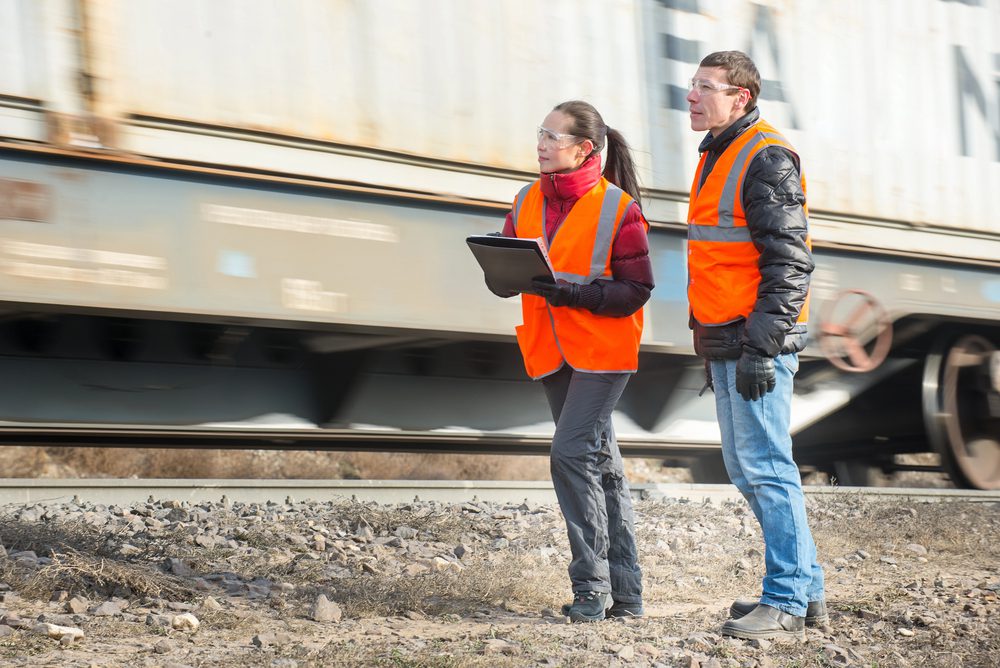
Picture a work crew replacing worn railroad ties on an active freight line. The team operates efficiently, tools in hand, focused on precision work that keeps trains running safely. But there’s another critical element at play: a trained flagger positioned a quarter-mile up the track, eyes fixed on the horizon, radio at the ready. This person isn’t installing ties or operating equipment. Their sole job is watching for approaching trains and ensuring the crew has enough time to clear the tracks when one appears. This is on-track safety and flagging in action.
Railroad work zones present hazards found nowhere else in construction. Workers operate alongside trains weighing thousands of tons, moving at speeds that turn seconds into life-or-death decisions. A freight train traveling at 50 miles per hour needs over a mile to stop. There’s no honking to warn workers, no ability to swerve around obstacles. When a train approaches, workers must move, and they need advance warning to do it safely.
Understanding how these services work, when they’re required, and what makes a qualified provider isn’t just regulatory knowledge. It’s the foundation of responsible railroad construction and maintenance. Here’s what you need to know about the services that keep railroad workers safe while keeping trains moving.
The Foundation of Railroad Work Zone Protection
On-track safety services represent a coordinated system of trained personnel, communication equipment, and established procedures working together to create safe working conditions on active rail lines. Think of it as a living safety net that adapts to changing conditions throughout a work shift. Unlike a fence or barrier that provides passive protection, on-track safety requires constant vigilance and active communication between multiple parties.
At the heart of this system are qualified flaggers. These trained professionals serve as the eyes and ears for work crews who may be focused on complex tasks with their backs to approaching rail traffic. A flagger’s primary responsibility is straightforward but critical: monitor the track for approaching trains and provide timely warning to workers in the fouling zone. The fouling zone is the area immediately adjacent to the track where workers or equipment could be struck by passing trains.
Flaggers position themselves at calculated distances from the work site based on maximum authorized track speeds and stopping sight distance. When they spot an approaching train, they immediately alert the work crew through established communication protocols. This gives workers time to clear the track, move equipment to safe positions, and allow the train to pass before resuming work. The cycle repeats throughout the work shift, sometimes dozens of times depending on traffic volume.
This creates a unique safety challenge. The work must happen on active tracks, often during normal operating hours when trains continue running their regular schedules. Protection comes not from stopping the hazard, but from maintaining constant awareness of it and ensuring workers have the time and information needed to get out of the way. On-track safety and flagging services provide that awareness through human vigilance backed by communication technology and strict procedural discipline.
How Flagging Operations Work in Practice
Once work begins, flaggers take positions at strategic points determined during pre-job planning. The positioning calculation considers several factors: maximum authorized train speed on that section of track, the distance required for workers to reach a position of safety, and the flagger’s line of sight down the track. A common rule of thumb suggests flaggers should be positioned far enough from the work site to provide at least two minutes of warning time, but actual distances vary based on specific conditions.
When a flagger spots an approaching train, the warning process follows strict protocols. The flagger immediately transmits a warning over the radio system to the roadway worker in charge, who then directs all workers to clear the fouling zone. Many operations use standardized warning phrases to eliminate confusion. The flagger continues monitoring the train’s approach and confirms when it has passed and work can safely resume.
Radio communication forms the backbone of most flagging operations. Dedicated radio channels keep safety communications separate from other project chatter. Flaggers conduct regular radio checks to verify equipment functionality. If radio communication fails, flaggers have backup methods including visual signals, but radio remains the primary tool because it works regardless of weather, noise levels, or line of sight between the flagger and work crew.
The concept of fouling time becomes critical in these operations. Fouling time is the period when workers or equipment occupy the track or come close enough to be struck by passing trains. Minimizing fouling time reduces risk exposure, but railroad work often requires extended periods in the fouling zone. Track maintenance can’t be done from a safe distance. This makes the flagger’s role even more important as the duration of exposure increases.
Flaggers must also calculate minimum safe distances based on real-time conditions. A train traveling at 40 miles per hour covers about 60 feet per second. If workers need 30 seconds to clear the track and move equipment to safety, the flagger must provide warning when the train is still 1,800 feet away, accounting for the time it takes to transmit the warning and for workers to react. Add in factors like track curvature that limits sight distance or weather that affects visibility, and these calculations become more complex.
Federal Requirements and Industry Standards
The Federal Railroad Administration governs on-track safety through regulations found in 49 CFR Part 214. This regulatory framework establishes minimum safety requirements for railroad workplace safety, including comprehensive standards for protecting roadway workers during track construction and maintenance activities. The regulations apply to railroads and contractors performing work on or near railroad tracks, creating a legal foundation for on-track safety programs.
Part 214 requires every railroad and contractor to implement a roadway worker protection program. This written program must detail the methods used to protect workers, the procedures for implementing those methods, and the training requirements for personnel involved in on-track safety. Flagging represents one of several approved methods of roadway worker protection, alongside others like exclusive track occupancy and train approach warning systems. The regulation specifies when each method is appropriate based on track conditions and work activities.
Flagger certification requirements are particularly strict. Individuals serving as flaggers must complete specific training covering railroad operating rules, communication protocols, train characteristics and stopping distances, and the procedures for providing warning to roadway workers. This training must be documented, and flaggers must demonstrate competency before being qualified to work independently. Certification isn’t permanent. Flaggers must participate in regular refresher training and maintain current qualification status to continue performing flagging duties.
The regulations distinguish between different levels of personnel qualification. A roadway worker in charge oversees the overall safety of a work crew and must hold additional qualifications beyond basic roadway worker training. Lone workers performing certain tasks may need specific certifications. Each role in the on-track safety system has defined training requirements and responsibilities spelled out in the railroad’s roadway worker protection program.
Documentation requirements begin before work starts and continue throughout the project. Job briefings must be conducted and documented before each work period, covering the protection method being used, communication protocols, and emergency procedures. These briefings ensure every worker understands the safety plan and their role in it. Records of training, certifications, and daily job briefings must be maintained and made available for inspection by FRA officials.
Pre-job planning takes on regulatory significance under Part 214. Before workers occupy the track, someone must verify the limits of the work zone, confirm which tracks will be occupied, and establish communication with the train dispatcher. This planning process identifies potential hazards specific to that location and work activity, allowing the safety plan to address them proactively. Understanding railroad safety standards and compliance is essential for anyone involved in these operations.
The regulation also addresses equipment requirements. Flaggers must have reliable communication equipment, typically two-way radios with sufficient range and battery life for the entire work period. High-visibility clothing meeting specified standards is mandatory for all roadway workers. Flagging signals and devices must conform to established standards. These equipment requirements aren’t suggestions but regulatory mandates with compliance implications.
When Railroad Projects Require Flagging Services
Tie replacement projects represent another common scenario requiring comprehensive flagging coverage. Replacing worn or damaged ties involves removing rail fasteners, lifting rail sections, extracting old ties, installing new ones, and re-securing the rail. This work happens directly on the track structure with workers positioned between the rails. The duration of fouling time during tie replacement makes proper flagging absolutely essential. Projects replacing hundreds or thousands of ties may require flagging services for weeks or months of continuous work.
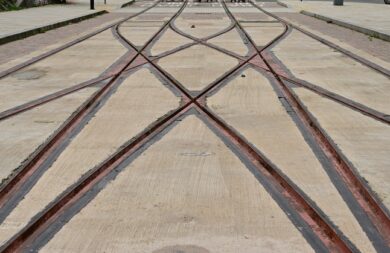
Turnout installation and maintenance creates complex flagging requirements due to the nature of the work. Turnouts are the track structures that allow trains to move from one track to another, and they contain numerous components requiring precise installation and adjustment. Work on turnouts often affects multiple tracks simultaneously, requiring flaggers to monitor train movements on several lines and coordinate protection across a larger work zone. The complexity of the work and the extended fouling time make qualified flagging services critical for turnout projects.
Grade crossing renewal projects need flagging coverage because they involve work on the track structure where it intersects with roadways. These projects require coordination not just with train movements but also with vehicular traffic using the crossing. Flaggers protect the work crew from approaching trains while other personnel manage road traffic around the work zone. The dual nature of grade crossing work, affecting both rail and road transportation, demands experienced flagging services familiar with the unique challenges of these projects.
Catenary line installation and maintenance for electrified rail systems adds another dimension to flagging requirements. Work crews must be protected not only from approaching trains but also from energized overhead lines. Flaggers working on catenary projects need additional training on electrical hazards and the specific procedures for working near high-voltage systems. The combination of train approach hazards and electrical hazards makes these projects particularly demanding for on-track safety services.
Situations requiring multiple flaggers or additional safety measures include work zones spanning multiple tracks, locations with limited sight distance due to curves or terrain, and projects where work activities create conditions that impair workers’ ability to hear or respond to warnings. Night work typically requires enhanced lighting and may call for additional flaggers to maintain the same level of protection achieved during daylight hours. Complex projects might combine flagging with other protection methods, creating layered safety systems that provide redundant protection.
Selecting a Qualified On-Track Safety Provider
FRA compliance history stands as the first qualification to examine when evaluating on-track safety providers. Contractors with clean safety records demonstrate their commitment to following regulations and protecting workers. Ask potential providers about their FRA inspection history, any violations or corrective actions, and how they’ve addressed safety issues when they’ve occurred. Providers should be willing to discuss their safety record openly and provide documentation of their compliance efforts.
Flagger certification programs reveal how seriously a provider takes personnel qualification. Look for providers who maintain formal training programs that exceed minimum regulatory requirements. These programs should include classroom instruction, practical exercises, and competency testing before flaggers are cleared to work independently. Ongoing training programs that keep flaggers current on regulatory changes and industry best practices indicate a provider invested in maintaining high-quality personnel.
Experience with projects similar to yours matters significantly in on-track safety services. A provider experienced in mainline track maintenance understands the challenges of high-traffic corridors and fast-moving freight trains. A provider with extensive grade crossing experience knows how to coordinate rail and road traffic protection simultaneously. Ask about specific projects comparable to yours in scope, location, and complexity. Providers should be able to describe how they handled challenges similar to what your project might face.
Integrated safety and construction services offer distinct advantages for railroad projects. When the same company provides both the construction work and the on-track safety services, communication improves and coordination becomes seamless. The flaggers understand the construction activities because they work for the same organization performing the work. This integration eliminates the gaps that can occur when safety services and construction crews come from different companies with different communication systems and procedures.
Proper on-track safety services protect project timelines by preventing the incidents and regulatory issues that cause delays. An incident on a railroad work site triggers investigations, work stoppages, and potential regulatory enforcement actions that can halt a project for days or weeks. The cost of these delays far exceeds the investment in qualified safety services. Regular track inspection services complement flagging operations by identifying hazards before they become emergencies.
References from railroad clients provide insight into how a provider performs under real project conditions. Contact previous clients and ask specific questions about communication, responsiveness to changing conditions, and how the provider handled unexpected challenges. Providers with strong track records will readily provide references and encourage you to speak with their clients about safety performance.
The Backbone of Responsible Railroad Construction
At Track Tech Inc., we’ve provided on-track safety and flagging services across Kentucky, Illinois, and Tennessee for over 30 years. Our flaggers maintain current FRA certifications and receive ongoing training in the latest safety protocols and communication technologies. We understand that every project presents unique challenges, and we tailor our safety approach to the specific conditions of your work site, track traffic patterns, and project requirements. Our integrated approach means the same team providing your on-track safety services understands your construction activities because we’re also the team performing the track work, turnout installation, or grade crossing renewal.
We’ve protected thousands of railroad projects since 1980, from routine maintenance on industrial spurs to complex multi-track construction on busy freight corridors. This experience has taught us that comprehensive safety requires more than just meeting minimum regulatory requirements. It requires vigilance, communication, and a commitment to getting every worker home safely at the end of every shift. When you need on-track safety and flagging services that protect your workers, your project timeline, and your reputation, we’re ready to put our three decades of experience to work for you.
Learn more about our services, contact our team to discuss your project’s specific safety requirements, or explore our comprehensive railroad construction and maintenance capabilities. We’re here to ensure your railroad project proceeds safely from planning through completion.