Book a Consultation
Classifications and Credentials:


How is Railroad Automation Improving Track Safety and Efficiency?
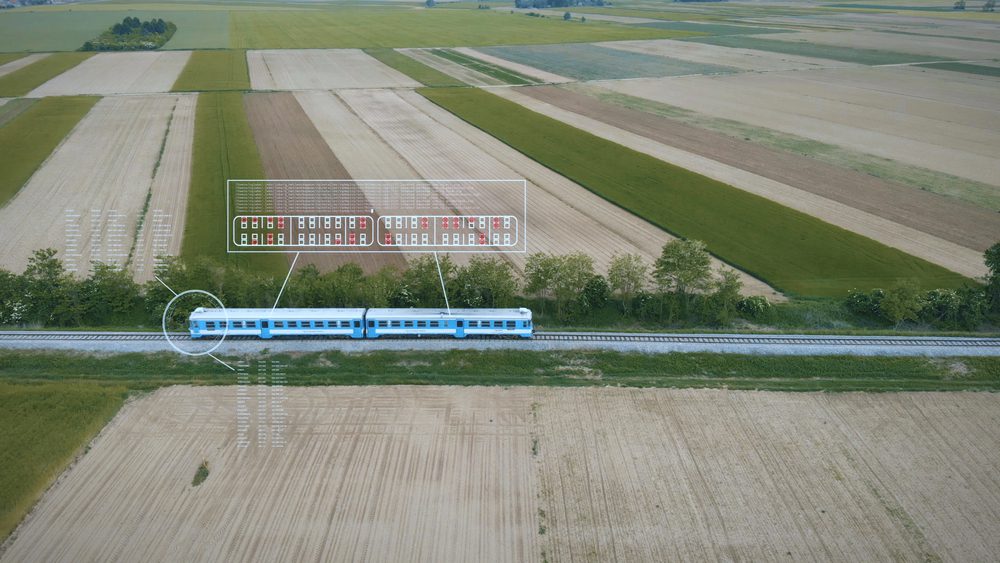
Railroad operators across Kentucky, Illinois, and Tennessee face a challenge that intensifies every year: moving increasing volumes of freight while maintaining the strict safety standards that protect both cargo and communities. A single track defect can halt operations for hours or, worse, lead to derailments that cost millions in damages and repairs. Traditional inspection methods, while proven over decades, struggle to keep pace with modern operational demands. This is where railroad automation enters the picture, offering a solution that addresses both safety and efficiency without compromise.
Automated systems are transforming how railroads monitor track conditions, schedule maintenance, and manage train movements. These technologies don’t replace the skilled professionals who build and maintain rail infrastructure; they enhance their capabilities with continuous data collection and real-time alerts that catch problems before they escalate. From sensors that detect bearing temperatures on passing trains to predictive platforms that forecast when a section of track will need tie replacement, automation provides the visibility that manual inspections simply cannot match.
The Technology Behind Modern Railroad Automation
Railroad automation isn’t a single technology but rather a collection of interconnected systems that work together to monitor, analyze, and manage rail operations. Understanding these core components helps operators make informed decisions about which technologies deliver the most value for their specific infrastructure needs.
Automated track inspection systems represent one of the most significant advances in rail maintenance. These systems use specialized rail vehicles equipped with lasers, high-resolution cameras, and inertial measurement units that scan track geometry while traveling at operational speeds. A geometry car can cover dozens of miles in a single day, collecting millions of data points about rail alignment, gauge width, cross-level, and surface irregularities. Compare this to traditional walking inspections, where experienced crews might cover only a few miles in the same timeframe, and the efficiency advantage becomes clear.
The sensors on these inspection vehicles measure track parameters with precision that exceeds what human inspectors can detect visually. They identify gauge variations as small as a quarter inch, spot subtle changes in rail profile that indicate wear patterns, and detect alignment issues that might not be visible to the naked eye. This data gets recorded with GPS coordinates, creating a detailed map of track conditions across the entire network.
Centralized traffic control systems manage train movements across large rail networks without requiring manual intervention at every switch and signal. These systems use computer logic to route trains efficiently, preventing conflicts at junctions and optimizing the use of available track capacity. Dispatchers monitor operations from control centers, intervening only when conditions require human judgment or when unexpected situations arise.
Predictive maintenance platforms tie everything together by analyzing data from multiple sources to forecast when specific track components will need attention. These systems learn patterns from historical maintenance records, inspection data, and operational factors like train frequency and load weights. When the platform identifies a section of track approaching critical wear thresholds, it generates maintenance recommendations that allow crews to schedule repairs during planned outages rather than responding to emergency failures.
Early Detection Through Continuous Automated Inspection
The fundamental advantage of automated inspection systems lies in their ability to monitor track conditions continuously rather than at fixed intervals. Traditional inspection schedules, while meeting regulatory requirements, create gaps in visibility where problems can develop undetected between inspection cycles. Automated systems close these gaps by collecting data every time an equipped vehicle traverses the track.
Think about how defects develop in railroad infrastructure. A rail might develop a small crack that’s barely visible during one inspection cycle. If that crack propagates over the following weeks, it could reach critical size days before the next scheduled inspection. Automated systems that pass over that section multiple times per week detect the progression much earlier, triggering alerts when measurements indicate accelerating deterioration.
These systems excel at identifying specific types of defects that impact safety and operational efficiency. Rail wear patterns show up clearly in laser measurements that track the exact profile of the rail head. As wheels roll over the same section thousands of times, the steel wears down in predictable patterns. Automated inspection systems measure this wear with precision, identifying when rails approach limits that require grinding or replacement.
Gauge variations, where the distance between rails deviates from standard specifications, pose serious derailment risks if left unaddressed. Automated systems detect these variations continuously, even subtle changes that might escape visual inspection. The data shows not just where gauge problems exist but also how quickly they’re developing, which helps maintenance teams understand whether they’re dealing with a stable condition or an accelerating issue.
Tie degradation affects track stability and alignment. While inspectors can spot obviously damaged ties during walking inspections, automated systems detect the subtle effects of tie deterioration through changes in track geometry. When ties lose their ability to maintain proper rail alignment, the track geometry measurements reveal patterns that indicate which ties need replacement, even before visible damage becomes apparent. Our tie replacement services address these issues before they compromise track integrity.
Ballast settlement creates uneven track surfaces that affect ride quality and increase wear on both track and rolling stock. Automated inspection systems measure surface irregularities with sensitivity that helps identify ballast problems before they compromise track structure. The data shows where ballast needs renewal or redistribution to restore proper track support.
Real-Time Monitoring Systems That Prevent Failures
While automated track inspection focuses on infrastructure conditions, wayside detection systems monitor the trains themselves as they pass fixed points along the route.
Hot bearing detectors use infrared sensors to measure the temperature of wheel bearings as trains pass. Bearings generate heat through friction, and when a bearing begins to fail, its temperature rises dramatically. The detection system compares temperatures across all bearings on a train, identifying any that exceed normal operating ranges. When it detects an overheating bearing, the system automatically alerts the train crew and dispatch center, allowing them to stop the train before the bearing seizes and causes a derailment.
Wheel condition monitoring systems use sensors that detect flat spots, cracks, and other wheel defects as trains roll past. Damaged wheels create distinctive impact signatures when they strike the rail, and the monitoring system analyzes these impacts to identify problematic wheels. This early detection prevents damaged wheels from causing track damage or developing into more serious failures.
Load distribution monitors check whether freight is properly balanced within cars. Shifted loads create uneven weight distribution that can lead to derailments, particularly on curves or at higher speeds. The monitoring system measures how weight distributes across the wheels and alerts operators when it detects dangerous imbalances that require inspection and correction.
Dragging equipment detectors identify when components hanging beneath railcars drop low enough to contact the track or ties. A dragging brake shoe, air hose, or piece of equipment can catch on switches or grade crossings, causing derailments or infrastructure damage. These detectors use sensors positioned near the rail to detect objects extending below safe clearances, triggering immediate alerts that allow crews to stop trains and inspect the problem.
Real-time monitoring systems eliminate this reactive approach by providing continuous surveillance of train conditions. The automated alerts give operators time to respond before minor issues escalate into major incidents. A train with a hot bearing can be stopped at a controlled location where crews can safely inspect and repair the problem. A car with shifted load can be set out for reloading before it poses a derailment risk. Dragging equipment gets identified and secured before it damages infrastructure.
Traffic Management That Optimizes Network Performance
Positive Train Control systems represent the most comprehensive application of railroad automation to operational safety. These systems use GPS positioning, wireless communications, and onboard computers to monitor train locations and speeds continuously. The system knows the track layout, speed limits for each section, signal states, and the locations of other trains on the network. When it detects that a train is approaching an unsafe condition, such as exceeding a speed limit, approaching a red signal, or entering track occupied by another train, it automatically applies the brakes to prevent the hazardous situation.
The Federal Railroad Administration mandated implementation of Positive Train Control following several high-profile accidents where human error led to collisions or derailments. The technology addresses the reality that even experienced, attentive operators can make mistakes or miss signals under certain conditions. Positive Train Control provides an automated safety overlay that intervenes when necessary, preventing accidents that human oversight alone might not catch. Understanding FRA railroad compliance requirements helps operators implement these systems effectively.
Beyond collision prevention, automated traffic management systems optimize how trains move through networks. These systems analyze train schedules, track availability, and operational priorities to determine the most efficient routing for each movement. When multiple trains need to use the same section of track, the system calculates the sequence that minimizes delays and keeps traffic flowing smoothly.
Consider a busy junction where freight trains, passenger trains, and maintenance vehicles all need access to limited track resources. Manual dispatching requires constant attention and quick decision-making to prevent conflicts and minimize delays. Automated systems handle this complexity by continuously recalculating optimal routes based on current conditions. When a train runs late, the system adjusts the schedule for connecting movements automatically, reducing the cascading delays that often occur when one disruption affects multiple trains.
The efficiency gains extend to fuel consumption and asset utilization. Automated systems can optimize train speeds to minimize fuel use while still meeting schedule requirements. Instead of running at maximum speed and then waiting at signals or sidings, trains operate at calculated speeds that allow them to maintain momentum through the network. This approach reduces unnecessary acceleration and braking, cutting fuel costs and reducing wear on both locomotives and track infrastructure.
The Essential Role of Experienced Professionals
Railroad automation provides powerful tools for monitoring and managing rail operations, but these technologies don’t eliminate the need for skilled human oversight. The most effective implementations combine automated systems with experienced professionals who understand railroad operations and can interpret data in context.
Automated inspection systems generate enormous volumes of data, and not every anomaly they detect requires immediate action. An experienced track inspector knows the difference between a measurement that indicates a developing problem and one that reflects normal operational variations. They understand how different track conditions affect safety margins and can prioritize maintenance activities based on actual risk rather than simply responding to every automated alert.
When predictive maintenance platforms recommend repairs, someone with field experience needs to verify those recommendations and determine the appropriate response. A platform might flag a section for tie replacement based on geometry data, but an experienced professional can assess whether the condition requires immediate attention or can wait for a scheduled maintenance window. They can also identify situations where the data suggests one problem but field conditions reveal a different underlying issue.
Training requirements for operators working with automated systems focus on understanding how the technology functions and what its limitations are. Dispatchers need to know how Positive Train Control systems will respond in various scenarios so they can make informed decisions when unusual situations arise. Maintenance crews need to understand what automated inspection systems measure and how to interpret the data they generate. This training doesn’t replace traditional railroad knowledge; it builds on that foundation to incorporate new technological capabilities.
On-track safety and flagging services remain essential even in highly automated rail environments. These professionals protect work zones, coordinate with train dispatchers, and ensure that maintenance activities don’t create hazards for passing trains. While automated systems can track train locations and alert dispatchers to potential conflicts, experienced safety crews provide the on-site judgment and communication that keep workers safe during track maintenance and construction projects.
Implementing Automation in Your Rail Operations
Railroad operators considering automation integration should start by assessing their current infrastructure and operational needs. Not every railroad requires the same level of automation, and the most cost-effective approach focuses on technologies that address specific challenges in your network.
Infrastructure condition plays a significant role in automation readiness. Automated systems work best on well-maintained track that meets basic safety standards. If your infrastructure has deferred maintenance issues or significant sections in poor condition, addressing those foundational problems should take priority over implementing advanced monitoring systems. There’s limited value in collecting detailed data about track that already needs comprehensive rehabilitation. Our rail system modernization services help prepare infrastructure for automation integration.
Industrial facilities with private rail infrastructure in Kentucky, Illinois, and Tennessee face unique considerations when evaluating automation. These operations often have shorter networks and lower traffic volumes than Class I, II, and III railroads, which changes the cost-benefit calculation for different technologies. A facility with a few miles of track might not need the same level of automated inspection as a railroad operating hundreds of miles of mainline. However, even smaller operations can benefit from targeted automation, such as wayside detectors at critical locations or automated switching at frequently used junctions.
Integration with existing operations requires careful planning. Automated systems need to work alongside current inspection procedures, maintenance schedules, and operational practices. The transition period often involves running automated and manual systems in parallel to verify that the new technology performs reliably before fully depending on it. This parallel operation also helps crews become familiar with the systems and learn how to interpret the data they generate.
Partnering with experienced railroad construction and maintenance providers supports successful automation implementation. Companies that understand both the technology and the practical realities of railroad operations can help you select appropriate systems, integrate them with your infrastructure, and train your staff to use them effectively. Our turnkey project management approach brings perspective from working with multiple operators and can share insights about what works well in different operational contexts.
Moving Forward with Railroad Automation
For railroad operators and industrial facilities throughout Kentucky, Illinois, and Tennessee, the question isn’t whether to adopt automation but rather which technologies deliver the most value for their specific needs. The right approach starts with understanding your operational challenges, assessing your infrastructure condition, and selecting systems that address your highest-priority concerns.
We’ve been building and maintaining railroad infrastructure in this region for over three decades, and we’ve watched automation transform how railroads operate. We understand the technology, but more importantly, we understand the practical challenges of keeping track in safe, reliable condition. Whether you’re considering automation integration, need comprehensive track maintenance, or require turnout installation and grade crossing renewal, we’re here to help you maintain infrastructure that supports safe, efficient operations.
We invite you to discuss your railroad automation and maintenance needs with our team. Visit our homepage to learn more about our comprehensive railroad solutions, explore our services page to see the full range of track maintenance, catenary line installation, and railroad construction capabilities we offer, or contact us directly to talk about your specific infrastructure challenges. Let’s work together to keep your rail operations running safely and efficiently.