Book a Consultation
Classifications and Credentials:


What Services Do Full-Service Railroad Construction Contractors Provide?
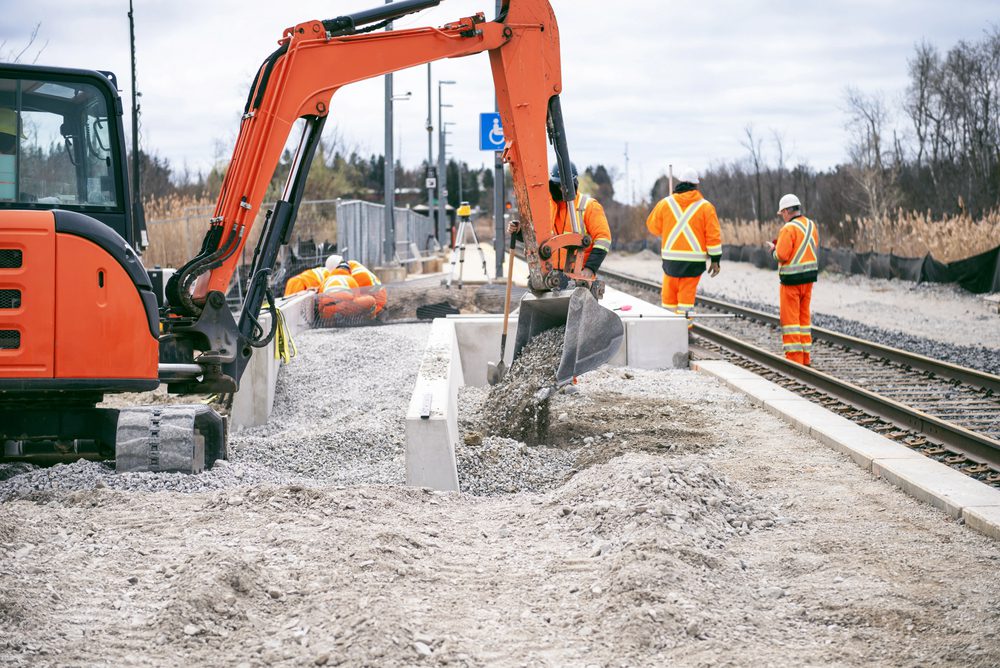
Rail infrastructure forms the backbone of freight transportation and passenger transit across North America. Every day, thousands of trains move critical goods and people over networks that span entire continents. Behind this seamless operation lies a complex system of precisely engineered tracks, electrical systems, safety equipment, and structural components that must work together flawlessly.
When railroad operators need to build new track, upgrade existing infrastructure, or maintain their networks, they turn to specialized railroad construction contractors who understand the unique demands of rail work. These professionals bring technical expertise, specialized equipment, and safety protocols that general construction companies simply cannot match.
Building the Foundation: Track Construction and Installation
Track construction represents the core service that defines railroad contractors. This work goes far beyond simply laying rails on the ground. Proper track construction requires precise engineering, specialized materials, and meticulous attention to geometry and alignment.
New track construction begins with the foundation. Contractors prepare the roadbed, install drainage systems, and place ballast material that will support the track structure. This ballast layer provides stability, allows for drainage, and helps distribute the massive loads that trains place on the track. The quality of this foundation work determines how well the track will perform for decades to come.
Railroad ties come next, positioned at precise intervals to hold the rails in proper gauge. Contractors install wooden or concrete ties based on the specific requirements of each project. These ties must be placed with exact spacing and leveling to ensure smooth train operations. After tie installation, contractors mount the rails themselves, securing them with specialized fastening systems designed to withstand the dynamic forces of moving trains.
Industrial spur construction requires particular attention to site-specific conditions. Facilities that receive rail shipments need track that connects seamlessly to the main network while accommodating their unique loading and unloading requirements. Contractors design these spurs to handle the turning radii, grade requirements, and clearance specifications that each facility demands, often requiring industrial track upgrades to meet modern operational standards.
Turnout installation creates the switches that allow trains to change from one track to another. These specialized track assemblies include movable rail components, switch machines, and precise geometry that guides wheels safely through the transition. Installing turnouts demands exceptional precision because any misalignment can cause derailments or equipment damage.
Grade crossing construction and renewal maintain the critical intersections where roads cross railroad tracks. These crossings require specialized surface materials, warning systems, and structural support to handle both vehicular and rail traffic safely. Contractors install crossing panels, warning devices, and proper drainage systems while coordinating with local transportation authorities to minimize disruption to both road and rail traffic.
Keeping Networks Running: Maintenance of Way Operations
Track construction builds the infrastructure, but maintenance of way operations keeps it functioning reliably year after year. Railroad track faces constant stress from heavy loads, weather exposure, and the repetitive impact of passing trains. Without proper maintenance, even the best-constructed track will deteriorate and become unsafe.
Tie replacement programs address one of the most common maintenance needs. Railroad ties gradually deteriorate from moisture exposure, mechanical wear, and chemical treatments breaking down over time. Contractors identify ties that have reached the end of their service life and replace them before they compromise track stability. Professional tie replacement services require removing the old ties, preparing the ballast section, installing new ties, and re-securing the rails with proper tension and alignment.
Track surfacing services restore the proper geometry that keeps trains running smoothly. Over time, track settles, shifts, and develops irregularities in alignment and elevation. These deviations create rough rides, increase wear on both track and rolling stock, and can eventually create safety hazards. Surfacing crews use specialized equipment to lift the track, add or redistribute ballast, and restore the precise cross-level, alignment, and profile that the track requires.
Rail grinding addresses surface irregularities that develop on the rail head. As trains pass over track, their wheels create wear patterns, corrugations, and surface defects. These imperfections increase noise, accelerate wheel wear, and can lead to rail failures if left unaddressed. Grinding crews use specialized equipment to restore the proper rail profile, removing surface defects and extending rail life.
Joint maintenance keeps the connections between rail sections functioning properly. While modern track increasingly uses continuous welded rail, many networks still include bolted joints that require regular inspection and maintenance. Contractors tighten bolts, replace worn joint bars, and ensure that joints remain properly aligned and supported.
Component replacement extends beyond ties and rails to include the many smaller parts that make track systems work. Contractors replace worn rail anchors, damaged tie plates, failed fasteners, and deteriorated rail padding. Each of these components plays a specific role in track performance, and timely replacement prevents minor issues from becoming major failures.
Powering Modern Rail Systems: Catenary and Electrical Infrastructure
Electrified rail systems depend on overhead catenary lines that deliver power to trains through pantograph contact. Installing and maintaining these electrical systems requires specialized expertise that combines railroad knowledge with electrical engineering skills.
Catenary line installation involves erecting support structures, stringing contact wires, and installing the tensioning systems that keep wires at proper height and tension. Contractors must position these systems to maintain consistent contact with train pantographs across varying track geometry, weather conditions, and operational speeds. The work requires precise measurements and careful attention to clearances that ensure safe operation.
Support structures for catenary systems include poles, cantilever assemblies, and portal frames that hold the contact wire at the correct position above the track. Contractors install these structures with exact positioning and alignment, accounting for track curvature, grade changes, and clearance requirements for passing trains. The structures must withstand wind loads, ice accumulation, and the dynamic forces created by pantograph contact.
Modern railroad automation solutions increasingly incorporate signal and communication systems that contractors must install and integrate. These systems include track circuits that detect train presence, wayside signals that control train movements, and communication networks that transmit operational data. Contractors coordinate the installation of these electronic systems with track construction, ensuring that all components work together reliably.
Power distribution infrastructure brings electrical service to the catenary system and other railroad facilities. Contractors install substations, transformers, and distribution lines that convert and deliver power where needed. This work requires coordination with utility providers and compliance with electrical codes while meeting the specific demands of railroad operations.
Ensuring Safety and Compliance: Inspection and Protection Services
Railroad safety depends on rigorous inspection programs that identify potential problems before they cause failures or accidents. Track inspection services form a critical part of maintaining safe railroad operations across all types of networks.
Comprehensive track inspections combine visual assessment with technological measurement tools. Inspectors walk or ride track sections, examining rails, ties, ballast, and track geometry for signs of wear, damage, or deterioration. They look for broken rails, cracked ties, loose fasteners, and drainage problems that could compromise track integrity. These visual inspections catch many issues that require attention.
Technology enhances inspection capabilities through specialized measurement systems. Track geometry cars measure alignment, cross-level, gauge, and profile with precision that human inspectors cannot match. Ultrasonic testing detects internal rail defects that remain invisible to visual inspection. Contractors use these technologies to identify problems early and plan maintenance activities before failures occur.
The Federal Railroad Administration establishes track safety standards that railroads must meet. These regulations classify track into different classes based on operating speeds and specify the geometric tolerances and condition requirements for each class. Contractors help railroad operators maintain compliance with these standards through regular inspections and timely maintenance.
On-track safety and flagging services protect workers who perform construction and maintenance activities on active railroad networks. Contractors provide trained flaggers who establish protection zones, communicate with train dispatchers, and ensure that workers have adequate warning before trains approach their work areas. This protection is legally required and absolutely essential for worker safety.
Flagging crews coordinate with railroad dispatchers to obtain track authority, set up warning devices, and monitor approaching trains. They establish clear communication protocols and ensure that all workers understand the protection plan before work begins. When trains approach, flaggers provide sufficient warning for workers to clear the track and move to safety.
Complete Project Delivery: Turnkey Management Approach
Complex railroad projects involve multiple phases, numerous trades, and coordination with ongoing operations. Turnkey project management brings all these elements together under single-source accountability that simplifies execution and reduces risk for project owners.
The turnkey approach begins with project planning that defines scope, budget, and schedule. Contractors work with railroad operators to understand their operational needs, identify constraints, and develop solutions that meet technical requirements while minimizing disruption. This planning phase establishes the foundation for successful project execution.
Engineering services translate project requirements into detailed designs and specifications. Contractors prepare track layouts, structural designs, and construction drawings that guide field work. Professional expertise in designing rail layouts ensures accurate quantity calculations, material specifications, and construction sequences that account for site conditions and operational constraints. Quality engineering prevents problems during construction and ensures that completed projects meet performance requirements.
Permitting and regulatory compliance add another layer of complexity to railroad projects. Contractors navigate local, state, and federal requirements, obtaining the approvals needed before construction begins. They coordinate with transportation agencies, environmental regulators, and railroad authorities to ensure that projects comply with all applicable regulations.
Procurement activities secure the materials and equipment that projects require. Railroad construction uses specialized components that often have long lead times. Contractors manage the ordering, delivery, and storage of rails, ties, ballast, turnouts, and other materials. They coordinate deliveries with construction schedules to ensure that materials arrive when needed without creating storage problems.
Construction execution brings together all the planning, engineering, and procurement work into physical reality. Turnkey contractors mobilize crews, equipment, and materials to build projects according to plan. They manage daily operations, solve field problems, and maintain quality control throughout construction. Single-source responsibility means that one contractor coordinates all trades and activities rather than the railroad operator managing multiple specialty contractors.
Multi-phase railroad projects particularly benefit from turnkey management. Projects that involve sequential construction stages, coordination with ongoing operations, and extended timelines require consistent oversight and continuity. A single contractor who manages the entire project maintains institutional knowledge, applies lessons learned across phases, and ensures that each stage builds properly on previous work.
Making the Right Partnership Decision
Selecting a railroad construction contractor represents a significant decision that affects project outcomes, safety performance, and long-term infrastructure reliability. Several factors help railroad operators identify contractors who will deliver quality results.
Experience with similar projects provides strong evidence of contractor capability. Companies that have successfully completed track construction, maintenance programs, or electrical installations demonstrate their ability to handle the technical challenges that railroad work presents. Regional experience matters particularly because contractors who know local conditions, regulatory requirements, and available resources can execute projects more efficiently.
Equipment capabilities determine what services contractors can provide and how efficiently they can perform work. Railroad construction requires specialized machinery for track installation, surfacing, tie replacement, and material handling. Contractors with modern, well-maintained equipment fleets can complete work faster and with better quality than those using outdated or inadequate machinery.
Workforce qualifications directly impact both safety and quality outcomes. Contractors who invest in training programs, maintain skilled crews, and retain experienced personnel deliver better results. Railroad work demands specific knowledge and skills that take time to develop. Companies with stable, trained workforces perform more reliably than those with high turnover and minimal training.
Safety records reveal how seriously contractors take worker protection and risk management. Companies with documented safety programs, low incident rates, and strong safety cultures provide greater assurance that projects will proceed without accidents or injuries. Railroad operators should request safety statistics, review safety programs, and verify that contractors maintain proper insurance coverage.
References from other railroad operators provide valuable insights into contractor performance. Speaking with clients who have worked with a contractor reveals how they handle challenges, communicate during projects, and stand behind their work. Successful contractors willingly provide references and welcome inquiries about their past performance.
Your Partner for Complete Railroad Solutions
We’ve spent over 30 years building and maintaining railroad infrastructure throughout the region. Our teams handle everything from track construction and maintenance to catenary installation and safety services. We understand the technical demands of railroad work and the operational constraints that our clients face.
Whether you’re planning new track construction, need ongoing maintenance support, or require specialized services like turnout installation or track inspection, we’re ready to discuss how we can help. Contact us to learn more about our comprehensive railroad construction and maintenance capabilities. Let’s talk about your infrastructure needs and how we can support your operations with reliable, professional service.