Book a Consultation
Classifications and Credentials:


Designing Rail Layouts for Efficient Facility Operations
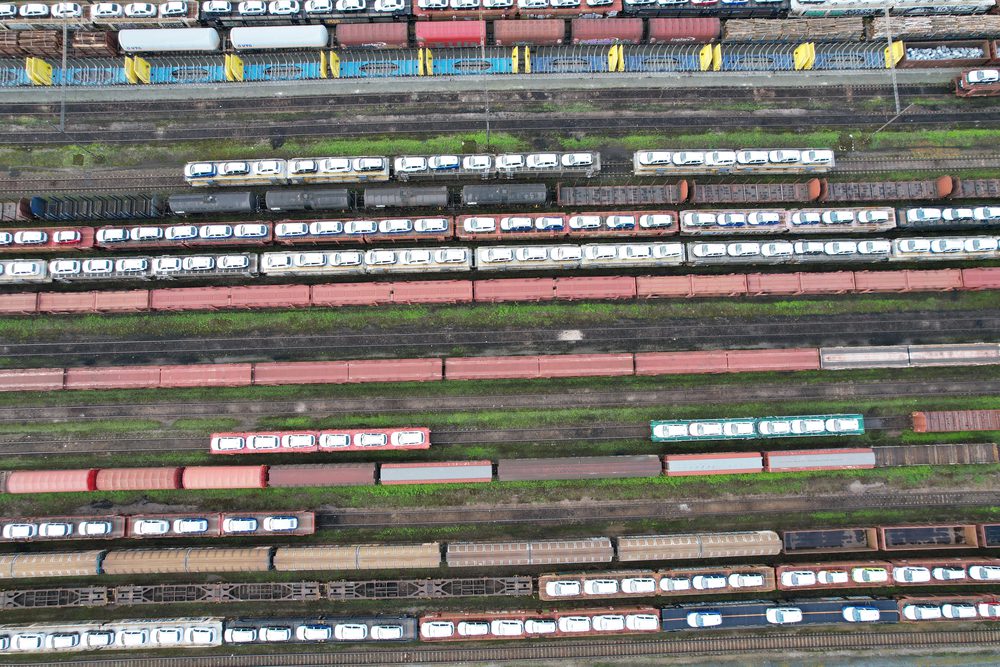
Rail infrastructure plays a major role in how efficiently industrial facilities move freight, manage shipments, and coordinate logistics. A well-planned industrial rail layout design can improve railcar flow, reduce operational delays, and support higher shipping volumes. Facilities that rely on rail transportation must think carefully about track placement, switching areas, and loading zones to maintain strong rail yard efficiency. When rail systems are designed with operational workflows in mind, facilities can move railcars more quickly while minimizing congestion and unnecessary switching movements.
Why Industrial Rail Layout Design Matters
The layout of a rail yard or industrial rail system affects nearly every aspect of facility operations. Track alignment, yard configuration, and switching points all influence how easily railcars can move through the property.
A thoughtful industrial rail layout design helps facilities:
- Move railcars more efficiently through loading areas
- Reduce switching time and operational delays
- Improve safety for rail crews and facility personnel
- Support higher freight volumes without congestion
- Allow room for future expansion
Poor track layout can slow down operations and limit the number of railcars a facility can handle each day. Improving rail yard efficiency often begins with evaluating whether the current track configuration supports the facility’s operational needs.
Goals of Industrial Rail Layout Planning
When engineers begin working on an industrial rail layout design, they focus on several core goals that improve operational performance and long-term reliability.
Smooth Railcar Flow
Efficient rail operations depend on moving railcars through a facility with minimal delays. Track configurations should allow railcars to enter, move through switching areas, and reach loading points without unnecessary backtracking.
Improving rail yard efficiency means minimizing situations where trains must stop, reverse, or perform multiple switching movements to reach their destination.
Clear Separation of Operational Areas
Large industrial facilities often divide rail infrastructure into multiple operational zones.
Examples include:
- Receiving tracks for inbound railcars
- Loading and unloading tracks
- Storage tracks for staging railcars
- Switching areas where locomotives reposition cars
A well-planned industrial rail layout design keeps these functions organized so that different activities can occur without interfering with one another.
Space for Future Growth
Freight demand can increase as facilities expand production or shipping operations. Planning for future capacity during the initial design phase helps facilities avoid costly infrastructure changes later.
Including space for additional tracks or expanded switching areas helps maintain rail yard efficiency as operations grow.
Understanding Rail Traffic Patterns
One of the first steps in developing an industrial rail layout design is understanding how railcars will move through the facility daily.
Rail traffic analysis examines factors such as:
- Number of inbound and outbound railcars
- Frequency of train arrivals
- Types of materials transported
- Loading and unloading times
These operational patterns help engineers determine how many tracks the facility needs and where they should be placed.
Designing layouts that match real traffic patterns helps improve rail yard efficiency and reduce congestion during busy periods.
Track Configurations That Improve Rail Yard Efficiency
There are several track configurations commonly used in industrial rail systems to support efficient operations.
Each configuration supports a different operational purpose within the overall industrial rail layout design.
Arrival and Departure Tracks
Arrival and departure tracks allow trains to enter and exit the facility without blocking other rail movements.
These tracks provide space for trains to stage railcars before switching begins. By separating these movements from loading operations, facilities improve overall rail yard efficiency.
Storage Tracks
Storage tracks hold railcars temporarily before they are loaded, unloaded, or transferred to another location.
Strategically placing storage tracks within the industrial rail layout design allows operators to stage railcars without interfering with active loading operations.
Switching Tracks
Switching tracks gives locomotives space to reposition railcars within the yard.
These areas allow rail crews to rearrange railcars efficiently so they reach the correct loading docks or transfer points.
When switching areas are designed properly, they help maintain consistent rail yard efficiency even during busy freight periods.
Designing Loading and Unloading Areas
Loading areas are among the most important elements of any industrial rail layout design.
Facilities that move bulk materials, chemicals, or manufactured products rely on rail loading systems to keep freight moving smoothly.
Several factors influence how loading tracks should be positioned.
Equipment Access
Loading infrastructure, such as conveyors, pumps, cranes, or forklifts, must have clear access to railcars.
Track placement must allow workers and equipment to operate safely while maintaining consistent freight movement.
Safety and Clearance
Railcars require adequate spacing to allow personnel to work safely around equipment and loading stations.
Proper clearance distances support both safety and rail yard efficiency by preventing operational bottlenecks.
Multiple Loading Points
Facilities handling large freight volumes may benefit from multiple loading tracks operating simultaneously.
This approach reduces wait times for railcars and supports higher throughput.
Turnouts and Switching Infrastructure
Turnouts and switches allow trains to move between different tracks in a rail yard.
These components play a central role in industrial rail layout design because they control how railcars navigate through the facility.
Poor switch placement can slow down rail operations and create congestion.
Strategic placement of switching infrastructure helps improve rail yard efficiency by allowing locomotives to move railcars quickly between tracks.
Designers must consider:
- Switch placement relative to loading areas
- Turning radius for locomotives
- Distance between switching points
- Safety clearance requirements
These factors help create a track network that supports safe and efficient rail movement.
Planning for Safety in Rail Layout Design
Safety considerations are integrated into every stage of industrial rail layout design.
Rail systems must accommodate both rail operations and facility personnel working nearby.
Important safety factors include:
- Adequate space for railcar movement
- Clear visibility for train operators
- Safe pedestrian pathways
- Proper track alignment to prevent derailments
These elements contribute to both operational reliability and rail yard efficiency.
Well-designed rail infrastructure allows crews to perform switching and loading operations with fewer risks.
Using Technology to Improve Rail Yard Efficiency
Modern rail planning often incorporates digital modeling and simulation tools.
These technologies allow engineers to visualize rail operations before construction begins.
Simulation software can test how different track configurations affect rail yard efficiency.
For example, engineers can evaluate:
- Railcar movement patterns
- Switching times
- Potential congestion points
- Freight throughput capacity
By analyzing these factors during the planning stage, engineers can refine the industrial rail layout design before construction begins.
This approach helps facilities build infrastructure that supports long-term operational performance.
Signs a Rail Layout May Need Redesign
Many industrial facilities operate rail systems that were designed decades ago for smaller freight volumes.
As operations grow, the original layout may no longer support current needs.
Common signs that a facility may benefit from updated industrial rail layout design include:
- Frequent rail congestion during loading operations
- Excessive switching movements required to position railcars
- Limited space for additional railcars
- Operational delays when trains arrive
Improving the track layout can restore rail yard efficiency and allow facilities to handle larger freight volumes more effectively.
Working With Rail Infrastructure Specialists
Designing rail systems requires specialized knowledge of engineering, freight operations, and rail safety standards.
Industrial rail owners often partner with experienced rail contractors who understand the complexities of industrial rail layout design.
Rail infrastructure specialists can help facilities:
- Evaluate existing rail systems
- Identify operational inefficiencies
- Design new track layouts
- Plan rail expansions for future growth
These services help ensure that rail infrastructure supports both current operations and long-term facility goals.
Working with experienced professionals also helps maintain strong rail yard efficiency during construction and expansion projects.
Long-Term Benefits of Efficient Rail Layouts
Facilities that invest in optimized industrial rail layout design often see lasting improvements in their operations.
Benefits can include:
- Faster freight handling
- Reduced switching time
- Lower operating costs
- Greater railcar capacity
- Improved safety performance
Improving rail yard efficiency helps facilities maximize the value of their rail infrastructure while supporting reliable freight movement.
Over time, efficient rail layouts can become a competitive advantage for companies that depend on rail transportation.
Efficient rail infrastructure begins with thoughtful planning and expert design. Track Tech Inc. works with industrial facilities and commercial rail owners to evaluate rail operations and develop optimized industrial rail layout design strategies that improve rail yard efficiency. If your facility is planning rail expansion or wants to improve freight movement through your property, the Track Tech team can help you design rail infrastructure that supports long-term operational success.