Book a Consultation
Classifications and Credentials:


What is Catenary Line Installation and Why is it Important for Electrified Rail?
Electric trains glide silently through stations, powered by an invisible connection to the overhead wires above. This seamless transfer of electrical energy represents one of modern transportation’s most elegant engineering solutions, yet few people outside the railroad industry understand the complex infrastructure that makes it possible. As freight operators and transit agencies across the United States increasingly turn to electrified rail for cleaner, more efficient operations, the demand for specialized catenary line installation has never been higher.
Catenary systems form the electrical lifeline of electrified rail networks. Without properly installed overhead wire systems, electric locomotives and trains cannot draw the power they need to move. The stakes extend far beyond simple functionality: poorly installed catenary infrastructure leads to service disruptions, equipment damage, and costly repairs that can cripple rail operations for days or weeks at a time.
The Anatomy of a Catenary System
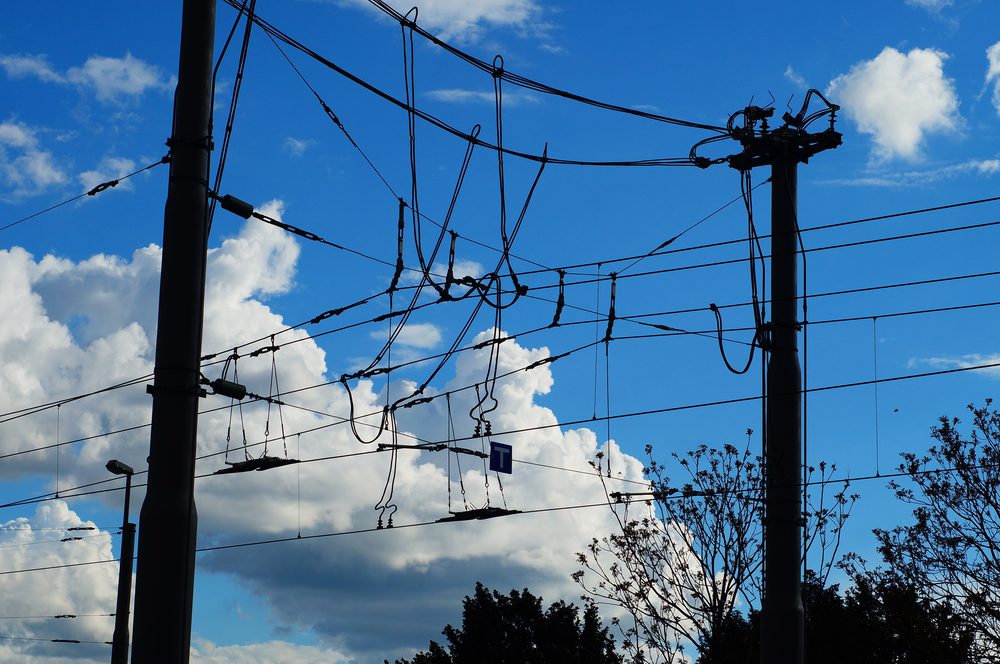
A catenary system delivers electrical power to trains through a network of overhead wires and supporting structures that must maintain precise alignment across miles of track. The name derives from the natural curve a suspended wire forms between two support points, though modern systems employ sophisticated engineering to create a nearly level profile that ensures consistent contact with moving trains.
The contact wire sits at the heart of the system. This is the conductor who physically touches the train’s pantograph, transferring electrical power while the train moves at speeds that can exceed 100 miles per hour. Above the contact wire runs the messenger wire, a stronger cable that provides structural support and helps maintain consistent wire height and tension. These two wires connect through a series of droppers or hangers spaced at regular intervals, creating what engineers call a compound catenary configuration.
Supporting structures anchor the entire system. Steel poles or concrete masts positioned alongside the track carry cantilever arms that extend over the rails, holding the wires at the precise height and lateral position required for reliable pantograph contact. The spacing between these structures varies based on track geometry, terrain, and design specifications, but typically ranges from 150 to 200 feet along straight track sections.
Insulators play a critical role in system safety and performance. These ceramic or composite components electrically isolate the energized wires from the grounded support structures, preventing short circuits while withstanding mechanical loads from wire tension and environmental forces. Tensioning devices at strategic locations maintain proper wire tension across temperature fluctuations that can cause the metal conductors to expand or contract by several inches over long spans.
The electrical systems typically operate at voltages ranging from 750 volts DC for light rail applications to 25,000 volts AC for heavy freight and high-speed passenger operations. This high voltage power flows through the contact wire to the train’s pantograph, then through the locomotive’s electrical systems, and returns to the power source through the running rails and grounding network.
The contact wire maintains a height typically between 15 and 23 feet above the rail, depending on the application and clearance requirements. The wire follows a stagger pattern, shifting slightly left and right of the track centerline to distribute wear evenly across the pantograph’s carbon contact strips.
Why Electrified Rail Depends on Precision Installation
The difference between adequate and exceptional catenary installation reveals itself in system performance over years of operation. Improper installation creates problems that compound over time, turning minor alignment issues into major operational headaches that cost railroad operators substantial revenue and credibility.
When wire height varies beyond acceptable tolerances, pantographs lose consistent contact with the contact wire. This creates arcing, those bright flashes you might see when a train passes under overhead wires at night. Arcing damages both the wire and the pantograph, accelerating wear on expensive components and creating rough spots that worsen the problem. In severe cases, the pantograph can snag on improperly tensioned wire, potentially derailing the collection equipment and halting train operations until repairs are completed.
Wire tension directly affects system reliability. Insufficient tension allows the wire to sag between support points, creating dips that interrupt power delivery. Excessive tension stresses the wire, support structures, and tensioning equipment beyond design limits, leading to premature failures. Temperature changes make this balance even more critical: a wire properly tensioned in summer heat may sag unacceptably during winter cold, while one set for winter conditions might pull dangerously tight when temperatures rise.
The stagger pattern requires meticulous attention during installation. Contact wire must shift gradually from one side of the track centerline to the other, typically moving no more than 8 to 12 inches in either direction. This lateral movement distributes wear across the pantograph’s contact surface, extending component life and maintaining a reliable electrical connection. Installers who rush this process or fail to verify stagger measurements create concentrated wear points that require frequent pantograph replacement and increase maintenance costs.
Installation quality impacts train speed capabilities in ways that surprise many operators. High-speed rail operations demand exceptional wire consistency because pantographs have less time to accommodate variations in wire position or tension. A catenary system installed to passenger rail standards can support speeds exceeding 150 miles per hour, while one installed with looser tolerances might limit operations to 60 or 70 miles per hour regardless of track quality or locomotive capabilities.
The Installation Process from Planning to Energization
Successful catenary installation begins long before the first pole goes into the ground. Site assessment teams walk every foot of track, documenting existing conditions that will influence system design. They measure track geometry, identify clearance restrictions from bridges and tunnels, locate underground utilities, and assess soil conditions that affect foundation requirements.
Engineering teams transform survey data into detailed construction drawings that specify pole locations, wire routing, component selections, and installation sequences. They calculate loads that support structures must carry, accounting for wire tension, wind forces, ice accumulation, and seismic activity in regions where earthquakes pose a risk. The design must integrate with existing railroad infrastructure, including signals, grade crossings, and communication systems, while maintaining proper electrical clearances and mechanical spacing. Thoughtful designing rail layouts ensures all system components work together seamlessly.
Foundation work launches the physical construction phase. Crews drill or excavate holes for pole foundations, often working in the limited space between active tracks and adjacent property lines. Foundation depth and reinforcement depend on soil conditions and the loads each pole will carry. In areas with poor soil, engineers may specify deeper foundations, larger footings, or specialized anchoring systems to ensure structural stability.
Pole erection follows foundation curing. Specialized equipment lifts steel or concrete masts into position, plumbing them vertically and securing them to foundations with precision hardware. Each pole carries cantilever arms that extend over the tracks, and these must be positioned at exact heights and angles to support the wire system properly. Installation crews verify alignment using survey equipment, making adjustments before concrete sets or anchor bolts are fully tightened.
Wire stringing represents the most specialized phase of installation. Crews use tensioning machines to pull contact wire and messenger wire through the support structures, maintaining careful control over tension and avoiding kinks or damage to the conductors. The wires must be installed at specific tensions calculated for the ambient temperature at the time of installation, with adjustments made to account for thermal expansion and contraction across seasonal temperature ranges.
Tensioning and alignment verification demand meticulous attention to detail. Installers measure wire height at numerous points, adjust support positions to achieve the specified stagger pattern, and fine-tune tension to match engineering specifications. This process often requires multiple iterations as adjustments to one section affect adjacent spans. Experienced installation teams develop a feel for how the system responds, making efficient adjustments that bring the entire installation into compliance.
Testing and commissioning verify that the completed system meets operational standards before energization. Crews perform continuity tests to confirm proper electrical connections, measure insulation resistance to verify safety, and conduct geometric inspections to document wire height, stagger, and clearances. Many installations include test runs with a specially equipped vehicle that simulates pantograph contact while measuring electrical performance and identifying any remaining alignment issues.
Final energization brings the system to life under the supervision of electrical engineers and railroad operations personnel. Power is applied gradually while monitoring for faults or unexpected behavior. Once energized, the catenary system undergoes additional testing with actual trains, verifying performance under real operating conditions before entering regular service.
Safety Protocols and Regulatory Compliance
Working with high voltage electrical systems near active railroad tracks creates hazards that demand unwavering attention to safety protocols. The Federal Railroad Administration establishes comprehensive requirements for railroad electrification projects in the United States, setting standards that protect workers, train crews, and the public from electrical and mechanical hazards inherent in catenary installation.
Electrical safety begins with de-energization procedures when working on existing systems. Crews must verify that power is disconnected, apply safety grounds to prevent accidental energization, and maintain clearances from adjacent energized equipment. Installation on new construction requires equally rigorous protocols because the system will eventually carry lethal voltages. Workers must treat all conductors as potentially energized, use properly rated tools and equipment, and maintain awareness of clearances at all times.
Working near active rail corridors introduces mechanical hazards that require specialized training and equipment. Trains can approach at high speeds with minimal warning, and the clearance envelope extends several feet beyond the rails. On track safety and flagging services establish protected work zones, position qualified flaggers to warn of approaching trains, and ensure all personnel understand emergency procedures. These measures become even more critical during catenary installation because workers often operate aerial lifts and handle long conductors that could contact adjacent tracks.
Fall protection requirements govern work on poles, cantilevers, and elevated platforms. Installers working at height must use appropriate personal protective equipment, follow proper climbing procedures, and ensure that aerial lift equipment is positioned on stable ground with outriggers properly deployed. The combination of electrical hazards and elevated work creates unique risks that standard construction safety programs may not adequately address.
Proper flagging services coordinate catenary installation with ongoing rail operations. Qualified flaggers communicate with railroad dispatch, obtain track authority for work zones, and provide warning when trains must pass through construction areas. This coordination allows installation work to proceed efficiently while maintaining safe train operations and protecting workers from moving equipment.
Equipment grounding and bonding procedures prevent dangerous voltage differences that could injure workers or damage equipment. All metal structures, tools, and vehicles must be properly grounded before work begins. Temporary grounding connections remain in place throughout the installation process, creating a safe working environment even in the presence of induced voltages from adjacent energized systems.
Selecting a Qualified Catenary Installation Partner
The specialized nature of catenary installation means that not every construction contractor possesses the capabilities required for successful project execution. Railroad operators and facility managers evaluating potential installation partners should look beyond general electrical or construction experience to identify firms with specific catenary expertise and railroad industry knowledge.
Track record matters immensely in this field. Contractors with decades of railroad experience understand the unique challenges of working in active rail corridors, coordinating with railroad operations, and meeting the exacting standards that electrified rail demands. They’ve developed relationships with equipment suppliers, mastered the specialized techniques required for precision wire installation, and built teams of skilled workers who understand both the electrical and mechanical aspects of catenary systems.
Equipment capabilities distinguish qualified contractors from those attempting to expand into catenary work without proper resources. Specialized wire tensioning machines, rail rated aerial lifts, precision measurement instruments, and heavy equipment suitable for railroad environments represent significant investments that only dedicated railroad contractors maintain. The presence of this equipment signals a contractor’s commitment to the field and their capability to execute complex installations efficiently.
Turnkey project management capabilities provide substantial value for railroad operators managing electrification projects. The best catenary contractors coordinate their work with track maintenance, signaling installation, grade crossing renewal, and other railroad systems that must integrate with the overhead wire network. This comprehensive approach eliminates coordination headaches, reduces schedule conflicts, and ensures that all project elements work together seamlessly.
Regional expertise influences project success in ways that distant contractors cannot match. Understanding local utility requirements streamlines power supply coordination. Familiarity with regional weather patterns informs design decisions about ice loading and wind resistance. Established relationships with state railroad authorities and local jurisdictions smooth permitting processes and regulatory approvals. Contractors who regularly work in Kentucky, Illinois, and Tennessee bring this regional knowledge to every project.
Safety culture reveals itself in contractor performance records and daily work practices. Firms with strong safety programs maintain low incident rates, invest in ongoing worker training, and demonstrate commitment to protecting their employees and railroad operations. This culture of safety extends beyond compliance with regulations to encompass a genuine dedication to sending every worker home safely at the end of each shift.
Moving Forward with Your Electrification Project
The factors that determine electrified rail success extend beyond the catenary system itself to encompass the entire railroad infrastructure. Track quality, signaling systems, power supply reliability, and operational procedures all contribute to system performance. Contractors who understand these interconnections and can coordinate catenary installation with other railroad improvements deliver results that exceed what isolated specialists can achieve.
At Track Tech Inc., we’ve spent more than three decades building the expertise and capabilities that successful catenary installation demands. Our team understands the precision required for overhead wire systems because we apply that same attention to detail across every aspect of railroad construction and maintenance. From initial site assessment through final commissioning and ongoing maintenance support, we bring comprehensive railroad knowledge to your electrification projects.
We invite you to discuss your catenary installation needs with our experienced team. Whether you’re planning a new electrification project, upgrading existing infrastructure, or need maintenance support for current systems, we’re ready to apply our expertise to your specific requirements. Learn more about our services or contact us to explore how we can support your railroad operations across Kentucky, Illinois, and Tennessee. Our railroad construction and maintenance capabilities extend from catenary line installation to track maintenance, turnkey project management, and specialized railroad services that keep your operations running safely and efficiently.