Book a Consultation
Classifications and Credentials:


Seasonal Challenges in Rail Maintenance and How to Overcome Them
Rail maintenance is essential to ensuring safe, efficient operations year-round.
From freight systems to passenger lines, every season brings its own set of complications. High temperatures, freezing conditions, heavy rain, and storm debris all impact how tracks function and how maintenance teams must respond. By anticipating seasonal issues and building a strategy around them, companies can reduce downtime and protect their infrastructure.
Track Tech Inc. understands the importance of proactive rail maintenance. We’ve seen firsthand how seasonal factors can slow progress or create unexpected complications. Our team works with clients across the country to address these seasonal variables through smart planning, equipment readiness, and clear communication. Rail maintenance is not a one-size-fits-all task, especially when the environment plays such a large role.
Below, we break down seasonal challenges and the strategies that help overcome them.
Spring: Dealing with Excess Moisture and Ground Shifting
As snow melts and rainfall increases, spring brings drainage problems, soil movement, and rising vegetation. These changes can weaken the track bed, loosen ballast, or lead to alignment issues. Wet environments also encourage rust and deterioration on steel components if inspections are delayed.
How to address it: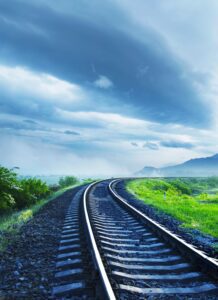
- Schedule early-season inspections to detect drainage or erosion problems.
- Monitor track geometry more frequently to catch alignment shifts.
- Clear vegetation before it interferes with visibility or infrastructure.
- Use materials that resist moisture damage and rust over time.
By acting early in the season, teams can keep small problems from developing into larger structural risks. Regular rail maintenance during this time is especially important in regions that experience heavy spring rainfall.
Summer: Heat Stress and Track Expansion
High temperatures can cause rail tracks to expand. This may result in track buckling, especially if the rail is already under stress. Welded rail, which lacks joints to absorb that expansion, is particularly vulnerable. Summer also increases dust buildup and creates harsh working conditions for crews.
 How to address it:
- Monitor rail temperature with sensors during peak heat.
- Install expansion joints in areas that experience extreme summer heat.
- Schedule early morning or late-day maintenance shifts to avoid mid-day heat.
- Use ballast tamping and surfacing to correct any minor buckling before it becomes a safety issue.
Rail maintenance during summer is about staying alert to thermal stress while keeping teams safe in high temperatures. Keeping surfaces clean and visible also becomes more important, especially in dusty environments.
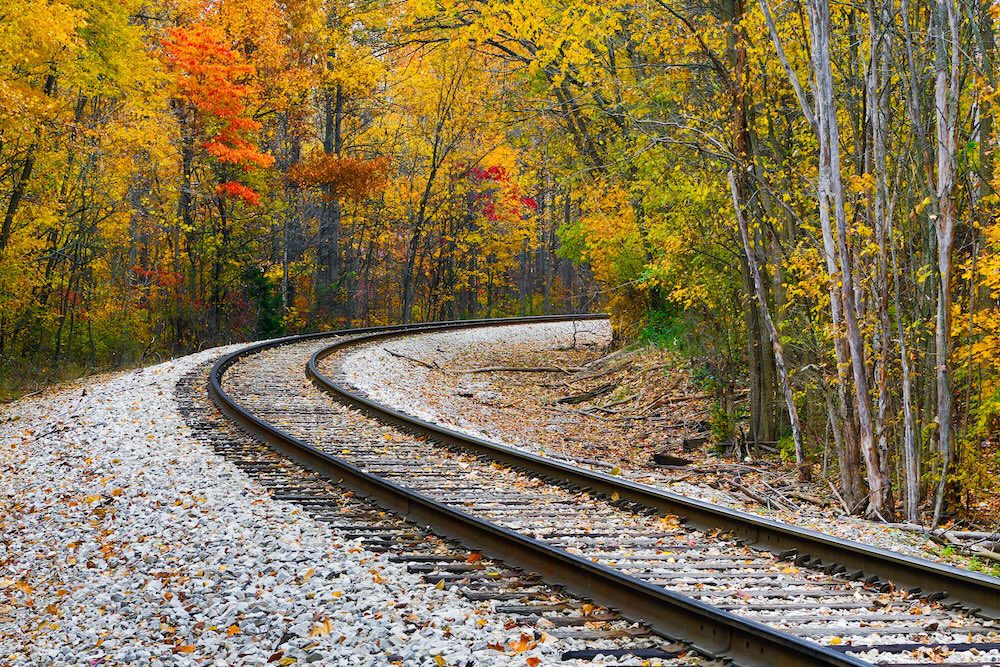
Fall: Leaf Build-Up and Storm Debris
Falling leaves may seem harmless, but they can become a hazard when they collect on tracks. Mixed with moisture, leaves can turn into a slick surface that reduces traction and disrupts train braking. Autumn storms may also knock down trees and fill drainage systems with debris, creating hazards that need fast response.
How to address it:
- Increase track inspections during heavy leaf fall periods.
- Use rail-cleaning equipment and friction modifiers to reduce slippage.
- Remove debris from drainage systems quickly to prevent erosion or pooling.
- Prepare emergency response teams for storm aftermath and blocked tracks.
Autumn is a reminder that rail maintenance includes everything around the track—not just the rails themselves. Keeping areas clear and trains safe to operate is the priority as storms and debris become more frequent.
Winter: Ice, Snow, and Track Contraction
Freezing temperatures bring their challenges. Rail steel contracts in the cold, which can lead to cracked welds or brittle components. Ice buildup affects switches and other moving parts, while snow can obstruct visibility and track access. In areas that get heavy snow, routine maintenance is more difficult due to access restrictions.
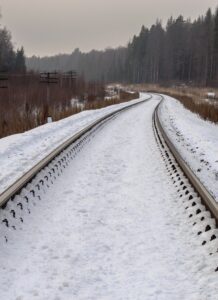
How to address it:
- Apply switch heaters and anti-icing agents before storms.
- Perform thermal inspections to catch stress fractures early.
- Maintain snow removal equipment for reliable access to work sites.
- Increase inspections of critical areas after temperature drops.
Winter rail maintenance is as much about preparation as it is about reaction. Building in time for cold-weather prep and making inspections a top priority helps teams stay ahead of major failures.
Year-Round Best Practices for Rail Maintenance
While seasonal tactics help, some strategies work across all months. Staying consistent with inspections, documentation, and communication helps companies respond faster when the weather becomes unpredictable. Partnering with a responsive maintenance team makes that even easier.
Best practices include:
- Creating a seasonal checklist for inspections and equipment prep.
- Keeping updated records on past repairs and weather-related issues.
- Training crews on how different seasons affect rail behavior and safety.
- Maintaining flexibility in work schedules to respond to unexpected weather events.
At Track Tech Inc., we provide the knowledge, tools, and field experience needed to manage rail maintenance through every season. From surfacing to rail replacement, we work with clients to ensure safety, continuity, and resilience. Being ready for each season makes the entire system stronger.
No two seasons affect rail systems the same way. Moisture, heat, debris, and cold all play their part in how infrastructure performs. Ignoring these seasonal shifts increases the risk of track failure, delays, and safety incidents. With a plan built around rail maintenance and weather awareness, companies can reduce risks and protect their investment.
Track Tech Inc. is proud to support rail systems nationwide with services that evolve with the seasons. When your tracks need care, our team is ready to keep your project moving.