Book a Consultation
Classifications and Credentials:


What Problems Do Track Tech Inc. Solutions Solve for Railroad Operators?
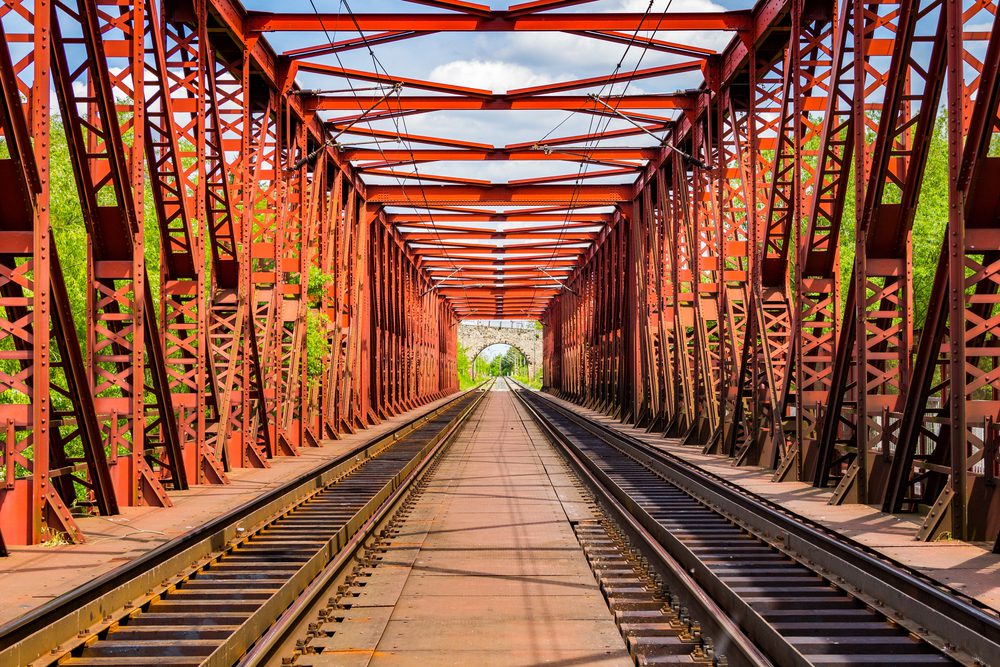
Picture this: It’s Monday morning, and your rail operations manager calls with news no one wants to hear. A critical section of track has developed concerning defects that weren’t there during last month’s inspection. Meanwhile, your compliance officer is flagging upcoming FRA inspection deadlines, and the engineering team just submitted a proposal for a grade crossing renewal that’s been deferred for three years. Each problem demands immediate attention, specialized expertise, and careful coordination with ongoing operations.
This scenario plays out regularly across railroad operations. The reality of railroad management is that challenges rarely arrive one at a time or in convenient packages. Track degradation accelerates when you’re focused on compliance paperwork. Infrastructure modernization projects collide with maintenance schedules. Emergency repairs disrupt carefully planned operations.
For over 30 years, Track Tech Inc. has partnered with railroad operators facing exactly these situations. The experience of addressing thousands of rail infrastructure challenges has revealed a fundamental truth: effective railroad solutions must address not just individual problems, but the interconnected nature of rail operations. This article breaks down the most pressing challenges railroad operators face and explores how targeted solutions address each one while supporting overall operational goals.
The Compounding Crisis of Deferred Track Maintenance
Track maintenance operates on an unforgiving timeline. Unlike many industrial systems where degradation follows predictable patterns, railroad infrastructure deteriorates through the complex interaction of weather, traffic loads, and time. What begins as a minor ballast settlement or a single deteriorated tie can rapidly cascade into operational restrictions, safety hazards, and exponentially higher repair costs.
Consider how track degradation actually progresses. A section of track with inadequate ballast support develops slight irregularities in surface geometry. Trains passing over these irregularities generate increased dynamic loads, which accelerate wear on both the track structure and rolling stock. The additional stress causes adjacent ties to deteriorate faster than normal. Rail surfaces begin developing defects. Within months, what started as a minor maintenance item has evolved into a speed restriction zone requiring immediate attention.
The financial impact extends far beyond the direct cost of repairs. Speed restrictions reduce operational efficiency across entire corridors. Derailments, even minor ones, trigger mandatory investigations, service disruptions, and potential regulatory penalties. Emergency repairs cost more than planned maintenance because they require rapid crew mobilization, expedited material procurement, and work during premium time periods to minimize service interruptions. Understanding the hidden costs of neglecting railroad track maintenance helps operators make better investment decisions.
Proactive tie replacement and systematic track surfacing prevent this cascade. Regular tie replacement maintains the structural foundation that supports track geometry. Consistent surfacing operations correct minor irregularities before they develop into major defects. These maintenance activities work together proper surfacing extends tie life by reducing stress concentrations, while sound ties provide the stable foundation necessary for effective surfacing.
Railroad operators often face pressure to defer maintenance during budget constraints, viewing it as a controllable expense that can be postponed. This perspective fails to account for the accelerating nature of track degradation. A tie replacement program deferred by two years doesn’t simply shift costs forward; it typically results in replacing more ties at higher unit costs under more difficult conditions. Track that receives consistent maintenance attention remains in service longer and performs more reliably than track subjected to cycles of neglect and emergency intervention.
Regional climate conditions add another dimension to maintenance planning. Freeze-thaw cycles stress track structures. Heavy precipitation events affect drainage and ballast stability. Summer heat creates rail stress that requires careful monitoring. Effective track maintenance programs account for these seasonal factors, timing interventions to maximize effectiveness and minimize weather-related complications.
Navigating the Regulatory Landscape
Federal Railroad Administration regulations establish comprehensive safety and maintenance standards that govern virtually every aspect of railroad operations. These requirements serve critical safety purposes, but they also create substantial compliance burdens for operators, particularly those without dedicated regulatory affairs staff or extensive railroad expertise.
Track inspection requirements illustrate the complexity. Regulations specify inspection frequencies based on track class and usage, prescribe specific inspection methodologies, require detailed documentation, and mandate corrective action timelines for identified defects. An operator must not only conduct inspections according to the prescribed schedule but also maintain records demonstrating compliance, track remediation of identified issues, and ensure inspectors possess appropriate qualifications and training.
Many railroad operators find themselves in a challenging position: they understand their operations need regular track inspections, but they lack the specialized knowledge to conduct inspections that satisfy regulatory requirements while providing actionable maintenance intelligence. Generic inspections that simply check boxes provide limited value. Effective track inspection services identify developing issues early, prioritize findings based on operational impact and safety considerations, and provide clear guidance on remediation approaches and timelines.
Comprehensive inspection programs do more than satisfy regulatory requirements; they function as early warning systems that prevent minor issues from escalating into major problems. Experienced inspectors recognize the subtle indicators of developing track defects: patterns of rail wear that suggest alignment issues, tie conditions that indicate drainage problems, and ballast characteristics that predict future settlement. This expertise transforms inspection from a compliance exercise into a strategic maintenance planning tool.
On-track safety and flagging services represent another critical regulatory requirement that creates operational complexity. Federal regulations mandate specific safety protocols whenever personnel work on or near the active track. These requirements exist for good reason: railroad work environments present serious hazards, but implementing them correctly requires specialized training and experience.
Qualified flagging personnel must understand railroad operations, recognize approaching trains in time to provide adequate warning, communicate effectively with work crews and train operators, and maintain constant vigilance throughout work periods. They serve as the critical safety buffer between construction activities and active rail operations. Operators who attempt to manage flagging internally often underestimate the training requirements, documentation demands, and liability exposure involved.
The consequence of inadequate safety programs extends beyond regulatory penalties. Incidents involving workers on or near the track can result in serious injuries, operational disruptions, and long-term liability. Comprehensive on-track safety services provide trained personnel, proper equipment, detailed documentation, and experienced supervision that protects both workers and operators.
Coordinating Complex Projects Within Active Operations
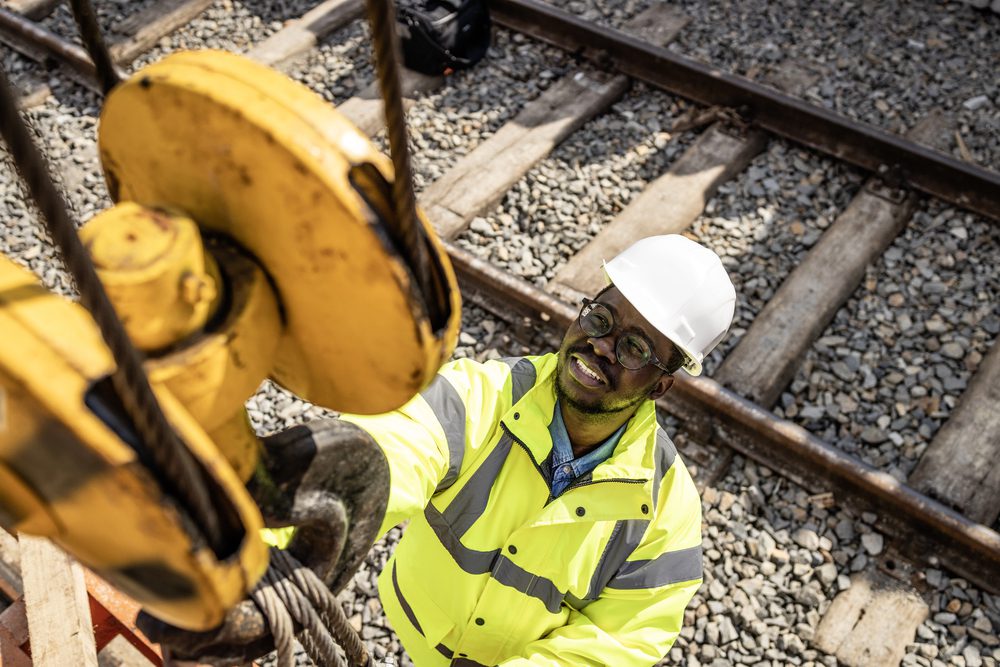
Large-scale railroad construction projects present a unique challenge: how do you rebuild critical infrastructure while maintaining the operations that infrastructure supports? A grade crossing renewal, turnout installation, or catenary line project can’t simply shut down rail service for weeks while work proceeds at a leisurely pace. Railroad operations must continue, which means construction activities must be carefully choreographed around train schedules, coordinated with multiple stakeholders, and executed with precision timing.
Consider the coordination requirements for a typical turnout installation. The project requires track geometry surveys, material procurement and staging, specialized equipment mobilization, precise construction work during limited track outage windows, testing and inspection before returning to service, and coordination with train dispatchers, maintenance-of-way departments, and operations personnel. Each element must execute flawlessly because delays cascade through the entire schedule.
Operators who attempt to manage these projects by coordinating multiple contractors quickly discover the complexity involved. The surveying contractor operates on their schedule. The materials supplier has their own lead times and delivery constraints. The construction crew needs specific equipment available at precise times. When something goes wrong, and something almost always goes wrong, no single party takes responsibility for resolving the issue and maintaining the project timeline.
Turnkey project management eliminates this coordination nightmare by consolidating responsibility with a single contractor who manages all project elements from initial planning through final commissioning. This approach provides clear accountability, streamlined communication, and integrated scheduling that keeps projects moving forward. When challenges arise, the turnkey contractor owns the solution rather than pointing fingers at other parties.
The value becomes particularly apparent during complex multi-phase projects like grade crossing renewals. These projects involve civil work, track reconstruction, signal system modifications, and coordination with highway authorities. A turnkey approach ensures all elements progress in proper sequence, interface issues get resolved proactively, and the operator receives a completed, fully functional crossing rather than a collection of disconnected components.
Single-source contracting also simplifies budget management and financial planning. Instead of negotiating with multiple contractors, tracking separate invoices, and managing change orders across various parties, operators work with one contractor who provides comprehensive pricing and takes responsibility for delivering the complete project scope. This clarity helps operators make informed decisions about project investments and avoid the budget surprises that often accompany multi-contractor projects.
Bringing Decades-Old Infrastructure Into the Modern Era
Industrial facilities and rail systems often operate on infrastructure built decades ago when design standards, operational requirements, and available technologies were dramatically different. These legacy systems continue functioning, but they increasingly struggle to meet current safety expectations, operational demands, and efficiency goals.
The challenges manifest in various ways. Track structures designed for lighter car weights now handle modern freight loads. Signaling systems installed in the 1970s require maintenance expertise that’s increasingly difficult to find. Manual operations that were standard practice when the system was built now represent inefficiencies in an era of labor shortages and rising costs. The infrastructure works, but it’s not optimized for current conditions.
Railroad automation solutions address many of these challenges by reducing dependency on manual operations, improving operational consistency, and enabling more efficient resource utilization. Automated switch machines eliminate the need for personnel to manually throw switches. Modern signal systems provide better train detection and control. Automated inspection technologies supplement manual inspections with continuous monitoring.
The decision to modernize infrastructure requires careful analysis of costs, benefits, and implementation approaches. Wholesale replacement of functional infrastructure rarely makes financial sense, but targeted modernization of high-impact elements can deliver substantial returns. The key is identifying which improvements provide the greatest operational benefit relative to the investment required.
Many operators find that modernization projects succeed best when approached incrementally rather than attempting comprehensive system overhauls. Replacing manual switches in high-traffic areas with automated systems provides immediate efficiency gains. Upgrading signal systems on critical corridors improves safety and capacity. Installing modern rail fastening systems during routine track renewal extends maintenance intervals and improves ride quality. Comprehensive rail system modernization can be achieved through these strategic incremental investments.
This incremental approach also helps manage budget constraints that often limit infrastructure investments. Rather than deferring all modernization until comprehensive funding becomes available, operators can make steady progress by incorporating improvements into routine maintenance and renewal cycles. A grade crossing renewal becomes an opportunity to install modern warning systems. A turnout replacement project includes modern switch machines and point detection.
Implementation requires expertise that bridges old and new technologies. Modernization projects must integrate with existing infrastructure, which means understanding both legacy systems and contemporary solutions. Contractors with deep experience in railroad operations bring this perspective, helping operators make informed decisions about which improvements deliver genuine value rather than simply adopting the latest technology because it’s new.
Minimizing the Impact of Necessary Repairs
Every minute of track downtime represents lost operational capacity and potential revenue. For freight railroads, it means delayed shipments and dissatisfied customers. For industrial facilities with rail service, it disrupts production schedules and material flows. The financial impact of extended track closures often exceeds the direct cost of the repairs themselves.
This reality creates intense pressure to complete maintenance and repair work as quickly as possible. However, rushing railroad work creates safety risks and quality problems that can lead to even longer disruptions down the road. The challenge is executing work efficiently without compromising thoroughness or safety.
Experienced railroad contractors understand this balance. They bring specialized equipment designed for rapid deployment and efficient operation. Their crews have executed similar projects dozens or hundreds of times, developing the expertise to work quickly while maintaining quality standards. They anticipate potential complications and bring backup plans that prevent minor issues from becoming major delays.
Effective repair strategies also involve careful planning that minimizes surprises during execution. Thorough pre-work assessments identify all necessary repairs rather than discovering additional problems mid-project. Material procurement happens well before work begins, ensuring everything needed is on-site when crews arrive. Equipment staging and crew scheduling are optimized to maximize productive work time during limited track outage windows.
Emergency repairs present particular challenges because they allow minimal planning time. A rail break or major track defect discovered during operations requires immediate response. The ability to rapidly mobilize qualified crews with appropriate equipment becomes critical. Contractors who maintain regional operations can respond faster than distant providers who must transport crews and equipment hundreds of miles.
Geography and infrastructure create specific logistical considerations. Rural locations may have limited material availability and longer mobilization times. Urban areas present access challenges and coordination requirements with other utilities and authorities. Weather conditions vary across the region and throughout the year, affecting work planning and execution. Contractors with extensive regional experience navigate these factors more effectively than those learning the territory on your project.
A Comprehensive Approach to Interconnected Challenges
The railroad challenges outlined in this article rarely exist in isolation. Deferred maintenance creates compliance vulnerabilities. Aging infrastructure complicates project coordination. Poor safety programs increase operational risks. Each problem influences and amplifies the others, creating compound challenges that resist simple solutions.
Effective railroad operations require an integrated approach that addresses these interconnected issues systematically. Comprehensive track inspection programs identify maintenance needs before they become emergencies while ensuring regulatory compliance. Proactive maintenance programs prevent the cascade of problems that deferred work creates. Turnkey project management coordinates complex improvements without disrupting operations. Modernization initiatives improve efficiency while being implemented through routine renewal cycles.
The advantage of working with a regional partner who understands local conditions, regulations, and infrastructure cannot be overstated. Contractors with decades of regional experience bring this knowledge to every project, helping operators avoid pitfalls and make informed decisions.
Track Tech Inc. has spent over 30 years developing this comprehensive understanding of railroad operations. The experience encompasses everything from routine tie replacement to complex turnkey construction projects, from track inspection services to railroad automation implementations. This breadth of capability means operators work with a partner who understands how different aspects of railroad infrastructure interact and influence each other.
Now is an appropriate time to evaluate your current rail infrastructure challenges. Are maintenance backlogs growing despite your best efforts? Do compliance requirements consume disproportionate resources? Are aging systems limiting operational efficiency? Do projects consistently overrun schedules and budgets? These symptoms suggest opportunities for more effective approaches.
Learn more about our services and how comprehensive railroad solutions can address your specific infrastructure challenges. Whether you’re managing a regional railroad, operating an industrial facility with rail service, or overseeing transportation infrastructure, the right partner makes the difference between managing problems and solving them systematically.
Moving Forward With Confidence
Railroad infrastructure challenges will always exist; it’s the nature of operating complex systems in demanding environments. The question isn’t if you’ll face track maintenance issues, compliance requirements, or project coordination challenges. The question is whether you’ll address them reactively as crises emerge or proactively through systematic, comprehensive solutions.
Operators who choose the proactive path work with experienced partners who bring specialized expertise, regional knowledge, and comprehensive capabilities. They invest in regular maintenance that prevents expensive emergencies. They approach compliance as an integrated part of operations rather than a separate burden. They execute infrastructure improvements through coordinated projects that minimize disruption while maximizing value.
The railroad industry has evolved over the past three decades, but fundamental principles remain constant: safety comes first, quality work lasts longer, and experienced partners deliver better outcomes. Track Tech Inc. has built its reputation on these principles while serving railroad operators since 1980.
Your rail infrastructure represents a critical operational asset that deserves expert attention and systematic care. The challenges you face today have solutions refined through decades of experience addressing similar issues across diverse operations and infrastructure types. The path forward begins with an honest assessment of current conditions, a clear understanding of available solutions, and a partnership with contractors who have proven their ability to deliver results.
Contact Track Tech Inc. to discuss your specific railroad infrastructure challenges and explore how comprehensive solutions can improve safety, efficiency, and reliability across your operations. Every successful partnership begins with a conversation about where you are today and where you want to be tomorrow.