Book a Consultation
Classifications and Credentials:


When to Consider Industrial Rail Expansion for Growing Operations
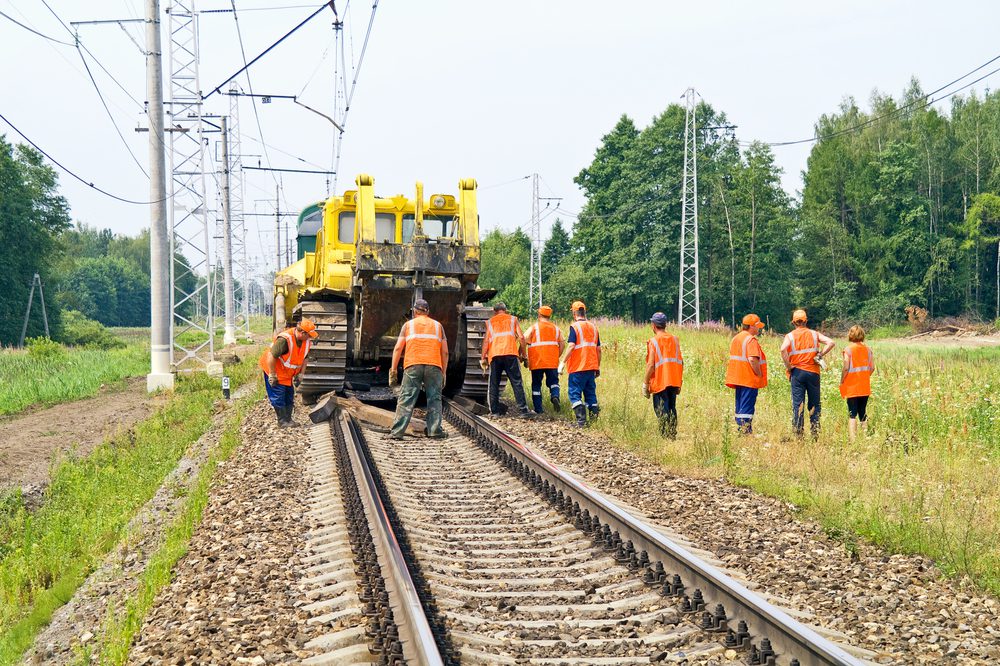
As businesses grow, transportation demands often increase along with production and shipping needs. For facilities that rely on rail, expanding track infrastructure can become an important step in supporting continued operations. Industrial rail expansion allows companies to move more freight efficiently while improving access to rail networks. Through careful rail capacity planning, organizations can determine when their current infrastructure may need upgrades, additional track, or redesigned layouts to support higher traffic volumes and long-term logistics goals.
Understanding Industrial Rail Expansion
Industrial rail infrastructure plays an important role in many industries, including manufacturing, energy, agriculture, and distribution. Facilities that connect directly to rail networks often benefit from improved shipping efficiency and reduced transportation costs.
Industrial rail expansion refers to upgrades or additions made to an existing rail system within a facility or industrial site. This can include:
- Installing additional track or rail spurs
- Expanding yard capacity
- Adding turnouts or switches
- Reconfiguring track layouts
- Extending rail access to new areas of a facility
These changes are often part of a larger rail capacity planning strategy that ensures rail infrastructure can support both current and future operational demands.
Signs Your Facility May Need Industrial Rail Expansion
Recognizing when infrastructure limits are approaching is an important step in effective rail planning. Several operational indicators may suggest it is time to evaluate industrial rail expansion.
Increased Freight Volume
One of the most common reasons companies expand rail infrastructure is a rise in shipping or receiving volumes. When railcars begin to queue or schedules become difficult to manage, it may indicate that existing track capacity is no longer sufficient.
Effective rail capacity planning helps facilities anticipate these changes before they begin to disrupt operations.
Limited Switching or Yard Space
Industrial rail yards require space for switching operations, staging cars, and loading or unloading freight. When yard tracks become consistently full, switching operations can slow down.
Adding track length or additional yard tracks through industrial rail expansion can improve workflow and reduce delays.
New Production or Storage Areas
As facilities expand manufacturing or storage operations, rail access may need to expand as well. Without proper rail connections, new areas of a facility may rely more heavily on trucking.
Through strategic rail capacity planning, companies can extend rail infrastructure to support new buildings, warehouses, or loading stations.
Operational Bottlenecks
If trains must wait to enter or exit a facility due to limited track access, the site may benefit from additional infrastructure.
Adding new spurs or reconfiguring track layouts as part of industrial rail expansion can improve traffic flow and reduce congestion.
The Role of Rail Capacity Planning in Infrastructure Growth
Successful industrial rail expansion projects begin with careful planning. Rail infrastructure must support both current operations and future growth.
Rail capacity planning evaluates several factors, including:
- Freight volumes and shipment patterns
- Facility layout and available space
- Switching operations and train movement
- Long-term production forecasts
- Safety and regulatory considerations
By analyzing these elements, rail engineers and infrastructure specialists can design expansion plans that support operational efficiency while minimizing disruption.
Rail capacity planning also helps prevent costly overbuilding or underbuilding of rail infrastructure.
Types of Industrial Rail Expansion Projects
Industrial rail systems can expand in several different ways depending on operational needs and facility layout.
Adding Rail Spurs
Rail spurs are short tracks that branch off a main line and connect directly to industrial facilities. Adding new spurs is a common form of industrial rail expansion when companies need to serve additional loading or storage areas.
Spur installations allow trains to deliver freight directly to specific areas of a facility.
Expanding Rail Yards
Rail yards provide space for sorting, staging, and switching railcars. As operations grow, facilities may require additional yard tracks to manage increased traffic.
Expanding yard infrastructure as part of rail capacity planning helps maintain efficient train movement within the facility.
Reconfiguring Track Layouts
Sometimes, expansion does not require adding large amounts of new track. In some cases, redesigning the layout of the existing track can improve traffic flow and reduce operational delays.
Track reconfiguration can optimize switching routes and reduce congestion points within the rail system.
Upgrading Turnouts and Switching Infrastructure
Turnouts allow trains to move from one track to another. When traffic increases, upgrading the switching infrastructure may be necessary to support smoother operations.
These upgrades are often included in industrial rail expansion projects to support higher traffic levels.
Benefits of Expanding Industrial Rail Infrastructure
Investing in industrial rail expansion can provide several operational advantages for facilities that rely on rail transportation.
Some key benefits include:
- Increased freight capacity
- Improved operational efficiency
- Reduced congestion within rail yards
- Greater flexibility for shipping and receiving
- Better integration with national rail networks
Through proper rail capacity planning, companies can align rail infrastructure with their long-term logistics strategies.
Expanded rail infrastructure can also improve supply chain reliability by allowing facilities to handle more shipments without operational delays.
How Expansion Supports Long-Term Logistics Strategy
Rail infrastructure is a long-term investment that supports industrial logistics over many years. As facilities grow, transportation systems must evolve to match changing operational demands.
Strategic rail capacity planning ensures that infrastructure keeps pace with production growth and shipping needs.
For example, companies may plan industrial rail expansion to:
- Support new production lines
- Increase export or import capacity
- Improve connections with Class I railroads
- Reduce reliance on trucking for bulk shipments
By aligning rail infrastructure with long-term business plans, companies can build transportation systems that support sustained growth.
Planning Industrial Rail Expansion Projects
Expanding rail infrastructure requires careful coordination between engineering teams, rail operators, and regulatory agencies.
Typical steps in industrial rail expansion projects include:
- Evaluating current rail infrastructure and capacity
- Analyzing traffic patterns and operational requirements
- Designing expansion plans and track layouts
- Securing regulatory approvals and permits
- Constructing and integrating new infrastructure
During this process, rail capacity planning helps ensure that expansion projects meet operational needs while maintaining safety and regulatory compliance.
Working with experienced rail infrastructure specialists can help ensure that projects are designed and executed efficiently.
Preparing for Future Rail Growth
Industrial rail systems often operate for decades, making planning an important part of infrastructure management.
Facilities that regularly evaluate rail performance and shipping demand are better prepared to identify when industrial rail expansion may be necessary.
Proactive rail capacity planning helps companies avoid operational bottlenecks while supporting continued growth in production and shipping.
Rather than reacting to capacity issues after they occur, facilities can use planning data to schedule upgrades that align with long-term logistics goals.
Partnering With Rail Infrastructure Experts
Industrial rail expansion projects require technical expertise in rail engineering, safety standards, and operational planning.
Experienced rail service providers can help facilities evaluate existing infrastructure, identify capacity limitations, and design expansion plans that support long-term operations.
Track Tech Inc. works with industrial and commercial rail owners to support infrastructure planning, construction, and operational efficiency. If your facility is experiencing increased rail traffic or planning future growth, the Track Tech team can help evaluate your infrastructure and guide strategic rail capacity planning and expansion projects.