Book a Consultation
Classifications and Credentials:


Understanding FRA Railroad Compliance for Rail Owners
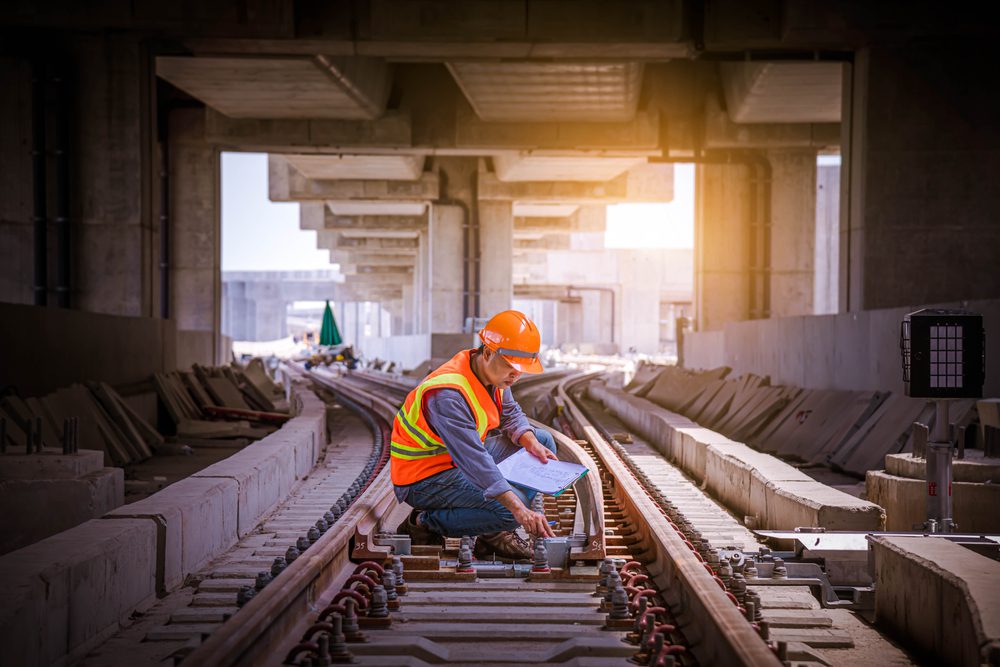
Industrial rail systems play an important role in moving freight safely and efficiently across facilities, plants, and commercial sites. While many industrial rail owners operate private track, they may still be subject to federal oversight depending on how their rail systems connect to public rail networks. Understanding FRA railroad compliance is essential for maintaining safe operations and avoiding regulatory issues. By following federal rail safety regulations, industrial rail owners can ensure their infrastructure meets established safety standards while protecting employees, equipment, and freight operations.
What Is FRA Railroad Compliance?
The Federal Railroad Administration, often called the FRA, is the federal agency responsible for regulating rail safety across the United States. Its role is to establish and enforce rail safety regulations that govern track conditions, equipment, operating practices, and employee safety.
FRA railroad compliance refers to following these federal safety standards when operating rail infrastructure or equipment that falls within FRA jurisdiction.
For industrial rail owners, compliance requirements may apply when:
- Private tracks connect directly to the national rail network
- Freight is exchanged with Class I or regional railroads
- Rail operations involve locomotives or railcars regulated by the FRA
- Facilities handle hazardous materials transported by rail
Because these situations involve interaction with the broader rail system, FRA railroad compliance helps ensure that safety standards remain consistent across the entire rail network.
Why FRA Railroad Compliance Matters for Industrial Rail Owners
Even though many industrial rail systems operate within private property, they often connect to public rail networks operated by major freight railroads. These connections create shared safety responsibilities.
Following rail safety regulations helps industrial rail owners:
- Maintain safe operating conditions for rail traffic
- Reduce the risk of accidents or derailments
- Protect employees working around rail infrastructure
- Meet federal regulatory requirements
- Support safe interchange with connecting railroads
Failure to follow FRA railroad compliance standards can result in penalties, operational disruptions, or restrictions on rail access.
Maintaining compliance also strengthens relationships with connecting rail carriers that rely on safe infrastructure when delivering or receiving freight.
Rail Safety Regulations That May Apply
The FRA oversees several categories of rail safety regulations that may affect industrial rail systems depending on how they operate.
Track Safety Standards
One of the most important areas of FRA railroad compliance involves track condition and maintenance standards. The FRA Track Safety Standards establish guidelines for how rail track must be constructed, inspected, and maintained.
These standards address elements such as:
- Rail condition
- Tie integrity
- Ballast support
- Track geometry
- Turnouts and switches
Industrial rail owners must ensure their track infrastructure meets applicable standards, particularly when railcars move between private tracks and the national rail network.
Rail Equipment Regulations
Railcars and locomotives operating on regulated rail lines must meet specific federal safety standards. These requirements help ensure that rail equipment functions safely during transport.
Relevant rail safety regulations may include guidelines for:
- Brake systems
- Wheel and axle conditions
- Couplers and draft systems
- Safety appliances
When rail equipment moves between private facilities and public rail lines, FRA railroad compliance may require adherence to these standards.
Hazardous Materials Transport Rules
Facilities that ship or receive hazardous materials by rail must also comply with federal regulations governing the transportation of dangerous goods.
These rules address issues such as:
- Tank car design standards
- Labeling and placarding requirements
- Handling procedures
- Emergency response planning
Compliance with these rail safety regulations helps protect workers, communities, and the environment.
When Industrial Rail Tracks Fall Under FRA Oversight
Not every industrial rail system is directly regulated by the FRA. However, several operational factors can trigger regulatory oversight.
Industrial rail tracks may fall under FRA railroad compliance requirements when they:
- Interchange railcars with regulated railroads
- Operate locomotives on connecting track systems
- Support freight movements tied to interstate commerce
- Carry hazardous materials requiring federal oversight
When a private rail system connects with the national freight network, rail safety regulations may apply to ensure consistent safety standards.
Because regulatory situations can vary, industrial rail owners often work with rail professionals to determine the exact compliance requirements for their infrastructure.
The Role of Inspections in FRA Railroad Compliance
Regular inspections are one of the most important components of maintaining FRA railroad compliance.
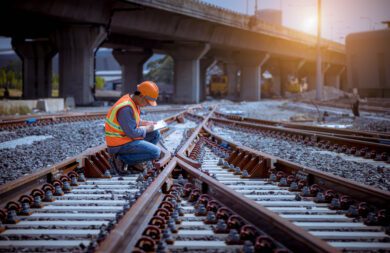
Inspections help identify infrastructure issues before they create safety risks or regulatory violations. Industrial rail systems should undergo periodic inspections to evaluate track condition and ensure compliance with rail safety regulations.
Professional inspections may evaluate:
- Track geometry and alignment
- Rail wear or defects
- Tie condition and spacing
- Ballast stability
- Turnouts and switch components
Inspection data helps industrial rail owners understand the condition of their infrastructure and determine whether corrective action may be necessary.
Consistent inspection practices support both operational safety and regulatory compliance.
Preparing for FRA Safety Reviews or Audits
Industrial rail owners connected to the national rail system may occasionally be subject to FRA inspections or regulatory reviews. Preparing for these evaluations helps ensure that operations meet required safety standards.
To maintain FRA railroad compliance, facilities should focus on:
- Maintaining accurate inspection records
- Documenting infrastructure repairs or upgrades
- Ensuring rail equipment meets regulatory standards
- Following established operational procedures
These practices help demonstrate that rail systems are operating within applicable rail safety regulations.
Having clear documentation also makes it easier to respond to questions from regulatory authorities if inspections occur.
Common Compliance Challenges for Industrial Rail Owners
Maintaining FRA railroad compliance can present challenges, particularly for facilities that operate private rail systems but connect to larger rail networks.
Some common issues include:
- Aging infrastructure that requires upgrades
- Limited visibility into track condition without professional inspections
- Changes in freight volume that affect track usage
- Complex regulatory requirements tied to hazardous materials transport
Addressing these challenges requires proactive planning and a clear understanding of relevant rail safety regulations.
Working with experienced rail service providers can help facilities evaluate infrastructure and implement compliance strategies that support long-term safety.
How Professional Rail Services Support Compliance
Industrial rail owners often partner with specialized rail service providers to help manage infrastructure and regulatory requirements.
Professional rail teams can support FRA railroad compliance by providing services such as:
- Track inspections and condition assessments
- Infrastructure evaluations and planning
- Rail construction and upgrades
- Safety consulting and regulatory guidance
These services help facilities maintain rail systems that meet federal rail safety regulations while supporting safe and efficient freight operations.
By identifying potential issues early, rail service professionals help reduce operational risks and support long-term infrastructure performance.
Building a Long-Term Compliance Strategy
Maintaining FRA railroad compliance is not a one-time process. It requires ongoing attention to infrastructure condition, safety procedures, and regulatory updates.
A strong compliance strategy typically includes:
- Regular infrastructure inspections
- Documentation of rail operations and repairs
- Coordination with connecting railroads
- Planning for infrastructure upgrades when needed
When industrial rail owners incorporate rail safety regulations into long-term planning, they create safer and more reliable rail systems that support both operations and regulatory requirements.
Track Tech Inc. works with industrial and commercial rail owners to support safe and compliant rail infrastructure. If your facility needs assistance evaluating track conditions or navigating FRA railroad compliance, the Track Tech team can help you understand applicable rail safety regulations and develop strategies that support safe rail operations