Book a Consultation
Classifications and Credentials:


Why Track Maintenance Is the Backbone of Railroad Safety and Performance

Track maintenance is one of the most important parts of a safe and reliable rail network. Whether a rail line supports freight, industrial operations, or Class 1 traffic, consistent track maintenance helps prevent hazards and costly service disruptions. In this article, we break down why proper maintenance matters and how proactive planning supports rail operators nationwide.
Why Track Maintenance Matters for Rail Safety and Reliability
Track maintenance is essential for ensuring long-term performance and safety across every type of rail system. When rail lines fall behind on inspection and upkeep, issues can develop quickly, affecting both operations and compliance. Routine maintenance also helps railroads stay aligned with FRA railroad regulations, which set national standards for safety and performance.
Consistent inspection and repair work strengthen the durability of the track structure, reduce derailment risk, and extend the life of high-value components. By partnering with experienced teams like Track Tech, rail operators gain access to streamlined methods that keep their systems reliable and cost-efficient. You can learn more about these solutions here.
Benefits of Routine Track Maintenance
Regular maintenance provides measurable advantages for railroads of all sizes:
- Improved railroad safety and reduced derailment risk
- Longer lifespan for rail, ties, ballast, and other materials
- Lower overall repair costs through early detection
- Enhanced performance for freight railroads and industrial operations
- Stronger alignment with state and federal compliance requirements
These benefits apply whether a system serves daily freight operations or specialized industrial traffic.
How Track Maintenance Supports Operational Efficiency
Beyond safety, track maintenance has a direct impact on rail performance. A well-maintained track reduces slow orders, keeps trains running on schedule, and supports higher load capacities. For operators working with tight shipping timelines, even minor defects can result in costly delays.
Strategic maintenance also creates a more predictable budget cycle. Operators can plan upgrades, repairs, and component replacements around operational needs instead of reacting to emergencies. This approach keeps rail lines running smoothly and prevents unexpected downtime.
Common Track Issues Identified During Inspections
During routine inspections, contractors often identify:
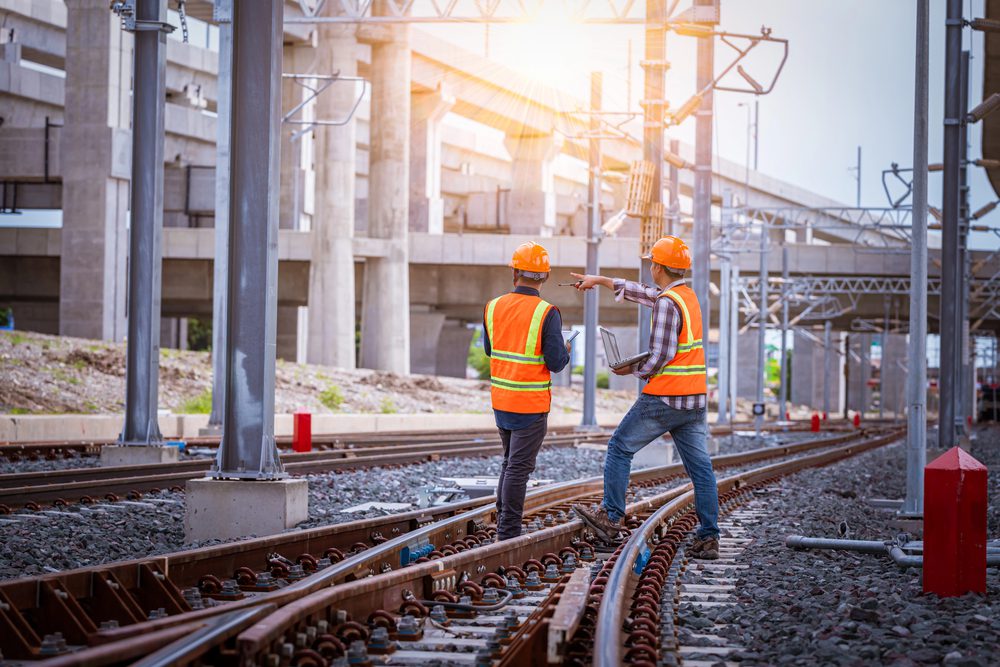 Rail tie replacement is needed due to rot, cracking, or plate cutting
- Ballast fouling or drainage issues affecting stability
- Alignment problems that require railroad surfacing
- Component wear at switches requiring turnout installation or repair
- Geometry faults that interfere with speed and performance
Addressing these issues early helps maintain safe operations and prevents escalation into larger repairs.
Tools and Technologies Used in Modern Maintenance of Way
Today’s maintenance teams rely on a combination of:
- Automated inspection systems and geometry cars
- Specialized surfacing and tamping equipment
- Digital tools for mapping defects and planning repairs
- ‘Skilled crews trained in maintenance of way best practices
These technologies improve accuracy and help operators make informed maintenance decisions.
Real Examples of Rail Line Upgrades Improving Performance
Railroads that invest in routine maintenance often see improvements such as:
- Increased throughput capacity
- Reduced slow orders
- Stronger compliance with FRA guidelines
- Longer operational life for upgraded track sections
These outcomes are especially valuable for industrial railroad solutions and private operators supporting high-volume freight activity.
Partnering With the Right Railroad Contractors
Successful track maintenance depends on working with experienced railroad contractors who understand both the technical requirements and operational pressures rail operators face. Track Tech provides a full range of track inspection, repair, and construction solutions designed to enhance safety and extend the life of rail infrastructure.
Ready to Improve Your Track Performance?
If your railroad needs inspection, repair, or long-term maintenance planning, Track Tech can help.
Contact our team today.