Book a Consultation
Classifications and Credentials:


Railroad Construction Projects: Phases From Design to Completion
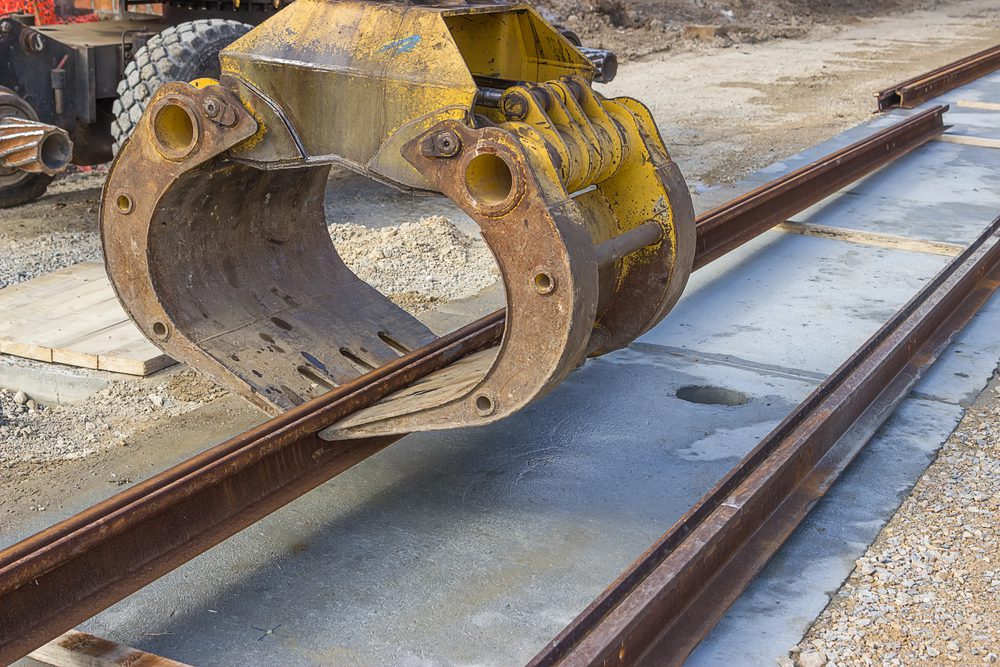
Rail infrastructure plays a vital role in supporting freight movement for industrial facilities, short line railroads, and commercial rail operations. Whether a project involves building a new track or expanding existing infrastructure, understanding the railroad construction process helps organizations plan effectively and avoid operational disruptions. From early design planning through final installation, each stage of rail infrastructure development requires careful coordination, engineering expertise, and specialized equipment. Knowing how these projects unfold can help rail owners prepare for upgrades that support long-term capacity and operational efficiency.
Understanding the Railroad Construction Process
Every rail construction project follows a structured sequence designed to ensure safety, durability, and operational reliability. The railroad construction process involves a series of phases that move a project from planning and engineering through construction and final inspection.
While the exact steps may vary depending on project size and site conditions, most rail infrastructure development projects follow a similar framework. These stages help engineers and construction teams build track systems that support heavy rail traffic while meeting safety and regulatory standards.
Typical phases include:
- Project planning and feasibility evaluation
- Engineering design and layout
- Site preparation and grading
- Track material installation
- Final testing and inspection
Each phase builds on the previous one, helping ensure that the finished track system performs reliably for years to come.
Phase 1: Project Planning and Feasibility
The first step in the railroad construction process focuses on understanding the project’s goals and evaluating site conditions. Planning determines whether the proposed rail system will meet operational needs while fitting within the physical layout of the facility.
During this stage, engineers and rail consultants examine several important factors that influence rail infrastructure development.
Operational Needs and Capacity
Rail owners must determine how the new track will be used. Planning often considers:
- Expected freight volume
- Number of railcars handled daily
- Types of cargo transported
- Connection points to main rail lines
These factors influence track design, yard layout, and switching configurations.
Site Conditions
Every construction project begins with evaluating the physical characteristics of the site. Soil conditions, drainage patterns, elevation changes, and existing infrastructure all affect how the track system must be built.
Understanding these conditions early helps engineers design stable rail infrastructure that can support heavy loads over time.
Phase 2: Engineering Design and Layout
Once feasibility has been established, engineers move into the design phase of the railroad construction process. This stage translates operational needs into detailed engineering plans that guide construction crews.
Design work defines the physical layout of the track system and ensures the project supports safe rail operations.
Track Alignment and Geometry
Engineers determine how the rail line will run across the property. Alignment planning addresses factors such as:
- Curve radius
- Track elevation
- Switch locations
- Yard track configurations
Proper alignment is essential to safe rail infrastructure development, especially when handling heavy freight traffic.
Structural Engineering
Design teams also evaluate the structural requirements of the rail system. This includes determining specifications for:
- Rail weight and type
- Tie spacing and materials
- Ballast depth
- Subgrade stabilization
These components must work together to support railcars weighing hundreds of thousands of pounds.
Phase 3: Site Preparation and Grading
After engineering plans are finalized, physical construction begins with site preparation. Preparing the construction area is one of the most important steps in the railroad construction process, since the foundation of the track system determines long-term stability.
Clearing and Excavation
Construction crews first clear vegetation, remove obstacles, and excavate soil where needed. This creates the base area where track infrastructure will be installed.
Excavation also helps establish proper elevation levels for the rail line.
Subgrade Stabilization
The subgrade is the soil foundation beneath the track structure. Stabilizing this base is essential for durable rail infrastructure development.
Subgrade preparation may involve:
- Soil compaction
- Drainage improvements
- Reinforcement materials
- Grading to control water flow
Proper stabilization prevents track movement and helps maintain alignment under heavy loads.
Phase 4: Ballast and Track Structure Installation
With the site prepared, construction crews begin installing the components that form the rail track structure.
This phase represents the most visible part of the railroad construction process.
Ballast Placement
Ballast is the crushed stone layer that supports railroad ties and distributes weight across the track foundation. Crews spread and level ballast to create a stable base for track installation.
Ballast also supports drainage and helps maintain track alignment during operations.
Tie Installation
Railroad ties sit on top of the ballast layer and support the rails themselves. Ties may be made of wood, concrete, or composite materials, depending on the project requirements.
Tie spacing and alignment are carefully measured to maintain track stability.
Rail Installation
Rails are placed on top of the ties and secured using fastening systems designed to keep the track structure aligned.
During this stage of rail infrastructure development, crews weld rail segments together or connect them with joint bars depending on project specifications.
Phase 5: Switches, Crossings, and Special Trackwork
Many rail construction projects include specialized components that allow trains to move between tracks or cross roads safely.
Installing this infrastructure is a critical part of the railroad construction process.
Turnouts and Switches
Turnouts allow trains to move from one track to another. These components must be installed with precise alignment to ensure safe operations.
Switch systems are common in rail yards and industrial facilities that handle multiple railcars.
Grade Crossings
When rail lines intersect with roads or facility traffic areas, crossings must be constructed to allow safe movement of both railcars and vehicles.
Grade crossings require careful planning during rail infrastructure development to support safety and operational efficiency.
Phase 6: Track Surfacing and Alignment
Once the rails and ties are installed, construction crews perform track surfacing work to bring the rail line into its final operating condition.
Track surfacing is a key step in completing the railroad construction process.
Tamping
Tamping machines compact ballast beneath the ties to secure the track in place. This process helps maintain track geometry and prevents movement during rail operations.
Final Alignment
Crews adjust the track to meet precise engineering standards for elevation, gauge, and alignment.
Proper alignment ensures that the finished rail infrastructure development project supports safe train movement and reduces long-term maintenance needs.
Phase 7: Inspection and Testing
Before the rail line enters service, the completed infrastructure must be inspected to confirm it meets design specifications and safety standards.
Inspections may evaluate:
- Track geometry
- Rail fastening systems
- Switch operation
- Drainage conditions
- Ballast stability
Inspection results confirm that the railroad construction has been completed correctly and that the track system is ready for operation.
Benefits of Proper Rail Infrastructure Development
Well-planned rail infrastructure development provides long-term advantages for industrial and commercial rail owners.
These benefits include:
- Increased freight capacity
- Improved operational efficiency
- Reduced rail congestion
- Better safety performance
- Infrastructure that supports future expansion
A properly executed railroad construction process creates durable track systems capable of handling demanding freight operations.
Planning for Long-Term Rail Performance
Rail infrastructure represents a major investment for facilities that depend on rail freight. As a result, successful projects focus not only on construction but also on long-term performance.
Planning for future needs during rail infrastructure development helps facilities:
- Accommodate higher traffic volumes
- Support heavier railcar loads
- Adapt to changes in freight operations
Working with experienced rail professionals can help organizations design infrastructure that supports both current operations and future growth.
How Experienced Rail Contractors Support Successful Projects
The railroad construction process involves many specialized skills, from engineering design to equipment operation and final track alignment. Partnering with experienced rail contractors helps ensure projects move efficiently through each stage.
Professional rail construction teams bring expertise in:
- Industrial rail design and layout
- Construction planning and scheduling
- Installation of track systems and special trackwork
- Inspection and quality control
This experience helps guide rail infrastructure development projects from concept through completion while minimizing disruption to ongoing operations.
Rail infrastructure projects require careful planning, engineering expertise, and experienced construction teams. Track Tech Inc. works with industrial rail owners, short line railroads, and commercial facilities to support rail construction projects from design through completion. If your facility is planning rail expansion or new track development, the Track Tech team can help you navigate the railroad construction process and build infrastructure designed for long-term performance.