Book a Consultation
Classifications and Credentials:


How Often Do Railroad Ties Need to Be Replaced?
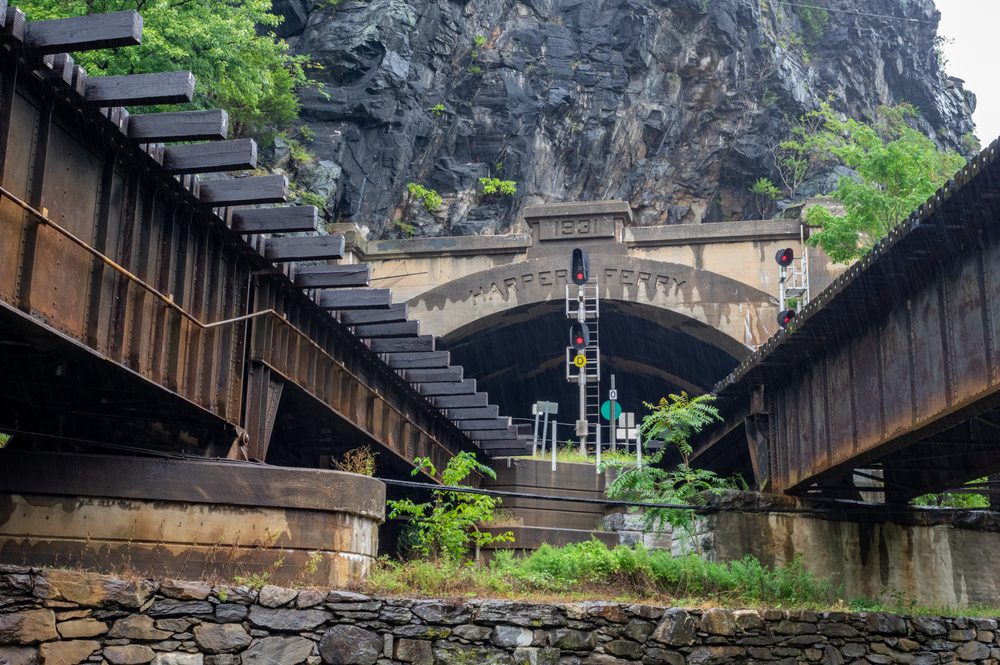
Railroad ties are the backbone of any functional track system, yet they’re often the last component operators think about until something goes wrong. We work with rail operators, transportation companies, and industrial facilities across Kentucky, Illinois, and Tennessee, and one of the most common questions we hear is simple: how often do railroad ties actually need to be replaced?
There’s no single number that applies to every situation. Tie lifespan depends on the material, the volume and weight of traffic, environmental conditions, and how consistently the track has been maintained over the years. A well-maintained wooden tie on a lightly used industrial spur can last decades, while ties on a high-tonnage mainline corridor may need attention far sooner. Here’s what determines replacement intervals, how to recognize failing ties, what the replacement process involves, and how to build a maintenance strategy that extends the life of your track investment.
Step 1: Understand Typical Tie Lifespans by Material Type
Before you can plan a replacement schedule, you need to know what you’re working with. Not all ties age the same way, and the material choice made at installation has a direct bearing on how often you’ll revisit this question.
Wooden crossties treated with creosote have been the industry standard for well over a century, and for good reason. They’re durable, widely available, and proven across virtually every type of rail application. Under normal operating conditions, treated wooden ties generally last somewhere between 20 and 30 years, though that range is wide. Wood species, treatment quality, climate, and traffic load all push the number up or down. A dense hardwood tie on a well-drained, lightly used industrial spur in a moderate climate can reach the upper end of that range without much difficulty. The same tie on a poorly drained segment carrying heavy chemical tanker loads through hard freeze-thaw winters may show serious deterioration well before the 20-year mark.
Concrete ties occupy a different tier entirely. They’re standard on Class I mainlines where stability under heavy, repeated loading matters most, and their service life is widely recognized as falling between 40 and 50 years. They resist rot, aren’t affected by moisture the way wood is, and hold gauge consistently over time. The tradeoff is cost, plus the specific ballast profile and tamping approach they require to perform correctly. On lines where the infrastructure investment justifies it, concrete ties dramatically reduce replacement cycles.
Composite and plastic ties are a growing segment of the market, particularly in specialty applications like bridge decks, grade crossings, and industrial spurs where chemical exposure or moisture is a persistent concern. Manufacturers typically cite lifespans comparable to or exceeding treated wood, with lower maintenance demands over time. They aren’t yet as universal as wood or concrete, but their use keeps expanding as operators look for ways to reduce long-term maintenance overhead.
One practical reality we see regularly: many rail lines have mixed tie conditions. A segment may have original wooden ties from one installation decade, concrete ties from a later upgrade, and spot replacements of composite ties added during maintenance cycles. That mix complicates planning because different materials age at different rates and may need different inspection approaches. Knowing what you have in the ground, and when it was installed, is the starting point for any serious replacement strategy.
Step 2: Identify the Factors That Accelerate Tie Deterioration
Baseline lifespans are useful, but the factors that compress or extend them are where the real planning decisions live. In our experience across Kentucky, Illinois, and Tennessee, the conditions on a given line often matter more than the material itself.
Traffic tonnage is the primary driver of tie wear. Heavier loads and more frequent train movements compress, flex, and eventually split ties faster than lighter traffic patterns. A tie designed to last 25 years on a lightly used spur may show serious wear in 12 to 15 years on a heavy industrial line. That isn’t a flaw in the material, just physics. Cumulative load over time is the variable that matters most, and operators who track gross tonnage have a real advantage when forecasting replacement needs.
Moisture and drainage problems are the second major accelerant, and they’re particularly insidious because the damage often progresses invisibly. Wooden ties rot from the base up when they sit in standing water or when ballast has degraded to the point where drainage is compromised. By the time surface cracking or soft spots are visible, the structural integrity of the tie may already be gone. Drainage management isn’t a separate issue from tie health; the two are directly connected.
Regional climate adds another layer. Kentucky, Illinois, and Tennessee all see big seasonal temperature swings, and the freeze-thaw cycle that comes with them is hard on wooden ties. Water infiltrates small cracks, freezes and expands, and widens those cracks over successive winters. Summer heat accelerates surface drying and checking. Over time, these cycles work together to degrade ties that might otherwise have stayed serviceable for years longer.
Ballast condition is a factor operators sometimes underestimate. When ballast breaks down, becomes fouled with fines, or is insufficient in depth, ties lose the stable support they need. Instead of distributing load evenly, they flex and shift with each train passage, and that repeated micro-movement compounds wear far beyond what the load alone would cause. Good ballast maintenance is one of the most cost-effective things you can do to protect your tie investment.
On industrial spurs, chemical exposure deserves specific attention. Fuel spills, caustic material leaks, and other contaminants can dramatically shorten tie life by breaking down the wood fibers and the creosote treatment protecting them. We’ve seen lightly used industrial spurs with ties in worse condition than heavily used mainline segments, simply because of what those ties had been exposed to. A line that carries light traffic but sits in a chemically aggressive environment needs inspection on the same schedule as a high-tonnage corridor.
These factors rarely operate in isolation. A line with moderate traffic, poor drainage, and freeze-thaw exposure can deteriorate faster than a heavily used line with excellent drainage and consistent ballast maintenance. Thinking about these variables together is what separates reactive maintenance from a proactive approach.
Step 3: Learn to Recognize the Warning Signs of Failing Ties
Knowing what to look for is the difference between catching a problem early and discovering it after a safety incident or regulatory inspection. Railroad tie replacement should be driven by condition data, and that starts with recognizing what deterioration looks like in the field.
Visible cracking, splitting, or checking along the top or sides of a tie is one of the most common early indicators. Some surface checking is normal in older wooden ties and doesn’t immediately indicate failure, but deep longitudinal splits or cracks extending through the tie cross-section are a different matter. They compromise the tie’s ability to hold spikes and distribute load, and they tend to worsen quickly past a certain depth.
Spike kill is another clear warning sign. It occurs when spikes can no longer be driven to a firm seat because the wood around the spike hole has deteriorated. Loose spikes that back out under traffic or spin freely in their holes mean the tie no longer has the structural integrity to hold rail in position. When you see this, the tie isn’t doing its job regardless of how it looks from the surface.
A soft or spongy feel underfoot when walking the track is a reliable indicator of internal rot, which is one reason walking the line on foot stays valuable even with other inspection tools available. A tie that looks acceptable from a distance may compress noticeably underfoot, signaling that the internal wood structure has broken down even though the exterior appears intact.
Tie plates that have cut into or shifted through the tie surface tell you the wood is no longer providing adequate resistance. When a plate has worked its way into the tie, the spike-holding capacity in that area is likely compromised, and the tie is contributing to gauge instability rather than preventing it.
Rail gauge widening is the warning sign with the most immediate safety weight. When ties fail to hold rail at the correct gauge, derailment risk rises. The Federal Railroad Administration sets gauge tolerances under 49 CFR Part 213, and operating outside them creates both safety risk and regulatory exposure. If you’re seeing gauge issues, the tie condition driving them needs prompt attention.
Some failure modes simply aren’t visible from the surface. Internal rot, base deterioration from standing water, and subsurface spike hole damage all require hands-on inspection to detect. Visual walkthroughs are valuable, but they’re no substitute for a structured inspection that includes physical testing of tie condition.
Step 4: Conduct a Structured Track Inspection to Assess Tie Condition
Recognizing individual warning signs is useful, but sound replacement decisions require a systematic picture of tie condition across your entire line or segment. A structured inspection process converts observations into usable data.
Walking the line systematically, rather than spot-checking areas of obvious concern, is the foundation. When you only look at ties that already appear problematic, you miss the ones failing quietly. We recommend walking each segment at a defined pace and noting tie condition at regular intervals, creating a record that can be compared across inspection cycles.
Using a tie bar or probe to test for soft spots and internal rot belongs in any thorough inspection. Driving a probe into a tie that looks sound and finding little resistance tells you something a visual pass can’t. This step matters most in segments with drainage concerns or older ties where internal rot is a realistic possibility.
Documenting the percentage of ties in poor condition across each segment matters because replacement decisions are typically made at the segment level, not tie by tie. Knowing that a particular quarter-mile has a high concentration of defective ties changes the calculus of spot replacement versus full renewal. Without segment-level data, you’re deciding without the information you actually need.
The FRA’s track safety standards under 49 CFR Part 213 set requirements for tie condition, spacing, and the allowable ratio of defective ties within a segment. These are real, verifiable benchmarks that belong in your inspection framework. Operating with a documented understanding of where you stand relative to them is both a safety practice and a compliance practice.
Professional track inspection services provide something internal walkthroughs often can’t: a documented condition report that carries weight with regulators, supports maintenance planning, and creates a defensible record of your track management. When you need to justify a capital expenditure for tie replacement or show an inspector you’re actively managing track condition, that documentation matters. We provide structured inspections that give operators the condition data they need for track maintenance and replacement planning.
Step 5: Determine Spot Replacement vs. Full Tie Renewal
Once you have a clear picture of tie condition, the next decision is targeted spot replacement or full renewal across a segment. This is one of the most consequential calls in tie replacement planning, and getting it right has real cost implications.
Spot replacement fits when overall tie condition is sound but isolated ties have failed or are approaching failure. If your inspection shows defective ties scattered across a segment without a high concentration in any one area, replacing those ties and monitoring the rest is a reasonable, cost-effective strategy. It’s also practical for addressing urgent safety concerns quickly while a longer-term renewal plan takes shape.
Full renewal becomes the smarter option when a large share of ties in a segment are defective or nearly so. At that point, the ongoing labor and disruption costs of repeated spot repairs start exceeding the cost of addressing the segment as a whole. There’s a structural argument too: when many ties in a segment are compromised, load distribution across the track goes uneven, which accelerates wear on the ties that remain. Spot-patching a segment in that condition usually just delays an inevitable larger project while conditions worsen.
The threshold between the two is something experienced track maintenance professionals evaluate against the specific segment. The FRA’s minimum tie spacing requirements are a useful floor, but the practical decision often comes before those regulatory thresholds are reached.
Deferred replacement compounds costs in ways that are easy to underestimate. Deteriorated ties accelerate rail wear by allowing more movement and flex at the rail seat, and they accelerate ballast degradation because load is no longer distributed properly. By the time you address the ties, you may also be facing ballast work that earlier action would have avoided. That’s one of the clearest arguments for proactive replacement over reactive repair.
Full renewal also creates a chance to coordinate with other track work. Scheduling tie replacement alongside ballast renewal, grade crossing upgrades, or other planned maintenance cuts total project cost by consolidating equipment mobilization, traffic windows, and crew coordination. Turnkey project management that bundles multiple work scopes into a single planned effort beats sequencing separate projects across multiple seasons.
Step 6: Plan and Execute the Tie Replacement Process
Every tie replacement project, regardless of scale, begins with on-track safety and flagging setup. This is non-negotiable. Before any work begins, the affected segment must be properly flagged and all personnel working within an established safety framework. The FRA’s on-track safety regulations exist for good reason, and compliance is the first step in every project we execute.
The work itself follows a logical sequence. The rail is lifted or supported to allow access to the tie plate and spike hardware. Old spikes are pulled and the tie plate removed. The deteriorated tie is extracted from the ballast, which on older installations can take real effort if the tie has become embedded or partially rotted into the surrounding material. The new tie is inserted and positioned to the correct spacing and alignment. The tie plate is set, spikes are driven, and the rail is reset and checked for gauge and surface. Finally, the ballast is tamped around the new tie to restore proper support and drainage.
Equipment selection depends on scale. Small spot jobs on accessible track can be handled efficiently with manual methods and light equipment, while large-scale renewal projects call for mechanized equipment that extracts and inserts ties at a pace that makes full-segment work economically viable. Manual methods on a big renewal, or heavy mechanized equipment for a handful of spot ties, are both mismatches between tool and task.
Tie spacing and alignment during installation aren’t details to approximate. Track class requirements under FRA standards specify minimum tie spacing, and the position of each tie affects how load distributes across the segment. Getting it right during installation costs far less than correcting it afterward.
Material procurement, traffic window scheduling, and crew coordination often get less attention than the physical work, and they shouldn’t. Ties need to be on-site before work begins, not arriving mid-project. Traffic windows need confirmation well in advance. Crew size and equipment availability need to match the scope so the segment isn’t left partially complete longer than necessary.
Our tie replacement services cover this full scope, from safety setup through final tamping, with the project coordination experience to keep work on schedule and on budget. When tie replacement is part of a broader track maintenance program, we manage the sequencing so each phase of work supports the next.
Step 7: Build a Proactive Maintenance Schedule to Extend Tie Life
The most expensive tie replacement projects we handle are the ones that could have been avoided, or at least cut down in scope, with earlier intervention.
Regular track inspections on a defined schedule are the foundation. Frequency should be calibrated to traffic volume, tie age, and the known risk factors on each segment. A high-tonnage industrial spur with older wooden ties in freeze-thaw country warrants more frequent inspection than a lightly used line with recently installed concrete ties. The point is to set a schedule and stick to it, rather than inspecting reactively when something looks wrong.
Ballast and drainage deserve equal attention alongside the ties themselves. Clean, properly graded ballast that drains well protects ties from the moisture and movement damage that shortens service life. We consistently find that segments with well-maintained ballast have ties in better condition than their age would predict, while segments with fouled or insufficient ballast deteriorate fast regardless of tie material. Treating ballast maintenance as separate from tie health misses the connection between the two.
Documenting installation dates and condition history gives you the forecasting ability to anticipate replacement needs instead of reacting to them. When you know a segment received new ties in a particular year, under specific traffic and environmental conditions, you can project when it will need attention and budget accordingly. Without that record, replacement decisions get driven by crisis rather than planning. Planned work can be scheduled around operational needs and coordinated with other maintenance; emergency work, by definition, happens at the worst possible time.
A long-term maintenance partnership with an experienced contractor beats engaging project by project. A contractor who knows your line, has documented its condition history, and understands your operational constraints can offer useful guidance rather than simply responding to work orders. That continuity of knowledge has real value when you’re managing a rail asset over decades. Our track inspection services are built to support exactly this kind of ongoing relationship, giving operators the condition data they need year over year.
Keeping Your Track in Safe, Reliable Condition
Replacement decisions come down to three connected factors: material sets the baseline lifespan, environmental and operational conditions determine how fast that baseline erodes, and structured inspection connects the two so you can act before deterioration becomes a safety or compliance problem. Deferred maintenance doesn’t pause the clock; it accelerates wear across rail, ballast, and adjacent infrastructure at the same time.
We’ve been helping rail operators across Kentucky, Illinois, and Tennessee maintain safe, compliant track since 1980, on tie projects of every scale, from targeted spot repairs on industrial spurs to full-segment renewal on active mainline corridors. If you’re unsure about the condition of your ties or need help planning a replacement project, visit our homepage for the full range of services, see our tie replacement services for how we approach the work, or reach out to our team to discuss your track directly.