Book a Consultation
Classifications and Credentials:


A Beginner’s Guide to Railroad Safety Standards and Compliance
Railroad safety is not something operators can afford to treat casually. Whether you manage a short line railroad, an industrial spur, or a private commercial rail operation, compliance with railroad safety standards is essential for protecting employees, equipment, cargo, and the surrounding community. For those new to rail ownership or operations, navigating regulatory compliance rail requirements can feel complex and overwhelming.
Safety regulations are detailed, inspections are frequent, and the consequences of noncompliance can be costly. However, when approached systematically, railroad safety standards become manageable and even beneficial. Strong compliance programs reduce derailment risk, improve reliability, and support long-term operational efficiency.
This guide provides a practical, beginner-friendly overview of railroad safety standards, how they apply to industrial and short line operations, and what steps operators can take to maintain compliance without disrupting daily operations.
Why Railroad Safety Standards Exist
Railroad safety standards exist to reduce risk in an industry where even small failures can have serious consequences. Trains move heavy loads over fixed pathways, often through active industrial environments or populated areas. Defects in track, equipment, or operations can escalate quickly into derailments, injuries, or property damage.
Regulatory standards establish minimum requirements to ensure that:
- Track infrastructure can safely support loads and traffic
- Equipment is maintained in serviceable condition
- Inspections are performed regularly and consistently
- Safety risks are identified and addressed before incidents occur
Compliance is not just about avoiding fines. It is about preventing disruptions that can shut down operations, damage customer relationships, and increase long-term costs.
Who Regulates Railroad Safety in the United States
The Federal Railroad Administration (FRA) is the primary authority responsible for railroad safety oversight in the United States. The FRA establishes rules, conducts inspections, and enforces compliance across much of the rail network.
Many industrial and short line operators assume FRA regulations only apply to large Class I railroads. In reality, regulatory compliance rail requirements often apply to:
- Short line and regional railroads
- Industrial rail operations connected to the general system
- Private facilities that interchange with regulated rail carriers
- Track used for transporting hazardous materials
Understanding whether FRA jurisdiction applies to your operation is a critical first step in compliance.
Understanding FRA Track Safety Standards
Track Classes and Operating Limits
The FRA classifies track based on condition and intended operating speed. Each track class has specific requirements governing:
- Rail wear and defects
- Tie condition and spacing
- Track geometry tolerances
- Surface and alignment limits
Even industrial tracks operating at low speeds must meet minimum safety thresholds. Track class determines inspection frequency, maintenance urgency, and allowable operating conditions.
Inspection Frequency Requirements
One of the most common compliance failures involves inspection schedules. FRA regulations require regular visual inspections, with frequency based on track class and usage.
Typical inspection requirements include:
- Weekly or bi-weekly visual inspections
- More frequent inspections for higher-class track
- Special inspections following extreme weather events, derailments, or flooding
Missing an inspection deadline is considered a violation regardless of track condition.
Documentation and Recordkeeping Obligations
Performing inspections is only half of compliance. Documenting those inspections is equally important. FRA audits frequently focus on paperwork as much as physical conditions.
Required documentation typically includes:
- Inspection dates and locations
- Name and qualification of the inspector
- Defects identified
- Corrective actions taken
- Timelines for repairs
Incomplete or missing records can result in enforcement actions even if the track itself is in acceptable condition.
Track Components Covered by Safety Standards
Rail Condition and Wear Limits
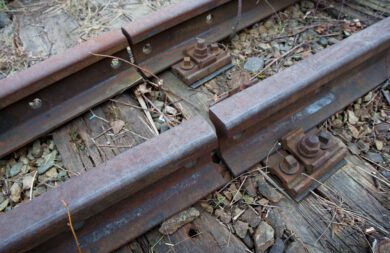
Rail must be free from defects that compromise structural integrity. FRA standards define allowable wear limits and specify when rail must be repaired or replaced.
Common rail issues include:
- Head wear
- Shelling or spalling
- Fatigue cracking
- Broken or defective rail
Ignoring early warning signs often leads to accelerated deterioration and emergency repairs.
Ties, Fasteners, and Ballast
Track stability depends on the condition of its supporting components. Safety standards address:
- Minimum number of effective ties
- Proper fastening systems
- Adequate ballast depth and condition
- Drainage effectiveness
Failures in these areas often show up as geometry defects during inspections.
Turnouts, Crossings, and Special Trackwork
Turnouts, crossings, and special trackwork are higher-risk areas that receive special attention under railroad safety standards.
These components experience concentrated forces and require:
- More frequent inspection
- Faster corrective action
- Detailed documentation of repairs
Derailments frequently occur at turnouts that were not properly maintained or inspected.
Common Compliance Challenges for Industrial Rail Operators
Many industrial and short line railroads struggle with compliance for reasons unrelated to negligence.
Common challenges include:
- Uncertainty about which rules apply
- Limited internal expertise
- Inconsistent inspection schedules
- Inadequate recordkeeping systems
- Deferred maintenance due to operational pressure
Understanding requirements early prevents small oversights from becoming major problems.
Building a Practical Railroad Safety Compliance Program
Assign Clear Responsibility
Compliance requires accountability. Every operation should designate individuals responsible for:
- Scheduling inspections
- Conducting or coordinating inspections
- Tracking corrective actions
- Maintaining records
Unclear responsibility leads to missed deadlines and incomplete documentation.
Establish an Inspection Schedule
Create a formal inspection calendar aligned with regulatory requirements. These include:
- Routine visual inspections
- Periodic detailed assessments
- Special inspections following incidents or weather events
Build buffer time into schedules to accommodate operational disruptions.
Managing Defects and Corrective Actions
Identifying a defect is not enough. Regulatory compliance rail standards require timely corrective action.
Best practices include:
- Prioritizing defects based on severity
- Assigning repair timelines
- Documenting all corrective work
- Verifying repairs through follow-up inspections
Failure to close out defects is a common audit finding.
Preparing for FRA Audits and Inspections
FRA inspections can be scheduled or unannounced. Being prepared reduces stress and operational disruption.
Preparation steps include:
- Reviewing recent inspection logs
- Verifying documentation completeness
- Confirming defect correction records
- Ensuring inspectors are properly qualified
Auditors typically review both physical conditions and paperwork.
The Role of Professional Inspections in Compliance
Many operators use third-party inspection services to supplement internal programs. Professional inspectors bring objectivity and specialized expertise.
Benefits include:
- Independent assessment of track condition
- Early identification of compliance risks
- Improved documentation quality
- Reduced audit surprises
Professional support is especially valuable for operations with limited internal resources.
How Railroad Safety Standards Support Operational Reliability
Compliance is often viewed as a burden, but strong safety programs provide tangible operational benefits.
These include:
- Reduced derailment risk
- Lower emergency repair costs
- Improved asset life
- Greater predictability in operations
- Stronger relationships with interchange partners
Well-maintained track performs better under load and traffic.
How Track Tech Supports Railroad Safety and Compliance
Track Tech provides inspection, maintenance, and compliance support tailored to industrial and short line railroads. Our experience with railroad safety standards helps clients identify risks, address deficiencies, and maintain regulatory compliance without disrupting operations.
Whether you need routine inspections, corrective maintenance planning, or assistance preparing for audits, Track Tech delivers practical solutions rooted in real-world railroading experience.
To learn more about inspection and compliance services, visit our service pages or contact the Track Tech team directly.