Book a Consultation
Classifications and Credentials:


Signs Your Railroad Track Needs Immediate Attention
Railroad track rarely fails without warning. In most cases, the infrastructure gives clear signals long before a derailment, service interruption, or regulatory issue occurs. The challenge is knowing how to recognize those signals early and understanding which ones require immediate action.
Ignoring track maintenance warning signs can quickly turn manageable issues into costly emergencies. What starts as a minor rail condition issue can escalate into speed restrictions, FRA violations, unplanned outages, or safety risks that impact operations and budgets.
For railroad owners and operators, recognizing the early indicators of track distress is one of the most effective ways to protect assets, maintain compliance, and reduce long-term maintenance costs.
Why Early Detection Matters in Track Maintenance
Track systems operate under constant stress from loads, weather, and time. Even well-built infrastructure degrades if warning signs are overlooked. Proactive attention allows owners to:
- Address defects before they become safety hazards
- Plan maintenance work instead of reacting to failures
- Reduce service disruptions and emergency repairs
- Maintain compliance with federal inspection standards
Most major track failures can be traced back to early warning signs that were visible but not acted on quickly enough.
Track Maintenance Warning Signs You Should Never Ignore
1. Visible Rail Wear or Surface Defects
Rail condition issues often appear on the rail head long before failure occurs. Warning signs include:
- Excessive head wear or side wear
- Surface cracking or spalling
- Corrugation or uneven rail contact
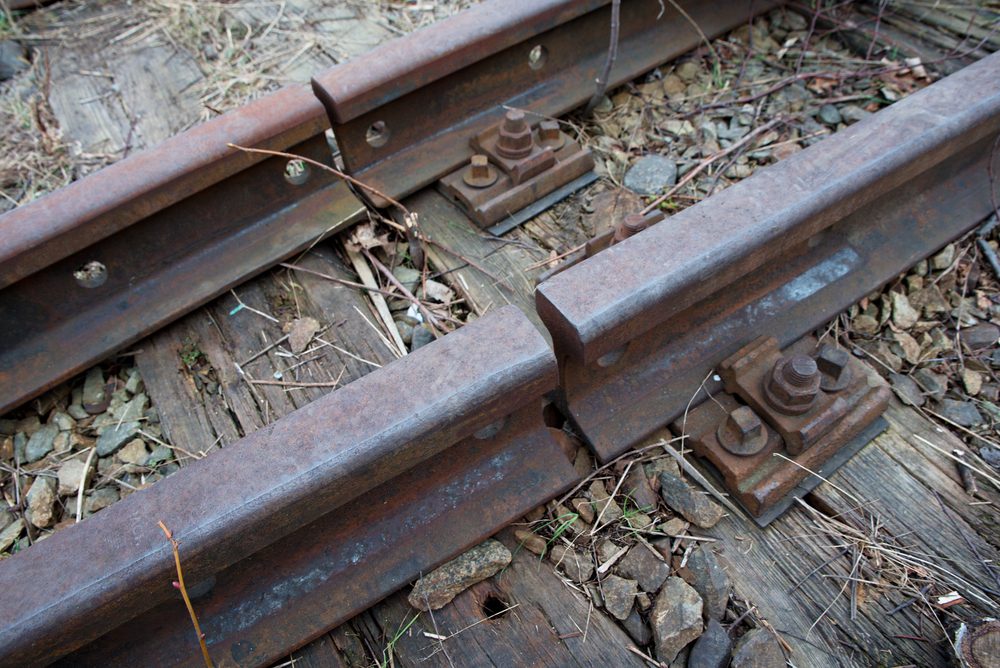
- Joint deterioration or loose joint bars
These defects affect wheel-rail interaction and can accelerate damage to both track and rolling stock. When rail wear becomes visible, it is often already past the point where monitoring alone is sufficient.
2. Repeated Geometry Problems in the Same Locations
If the same areas require frequent surfacing or alignment corrections, the issue is rarely just geometry. Persistent problems may indicate:
- Subgrade instability
- Inadequate ballast depth or fouling
- Drainage failures beneath the track structure
Recurring geometry defects are one of the most common track maintenance warning signs that deeper structural issues are present.
3. Deteriorating Crossties and Fastening Systems
Crossties and fasteners are important for maintaining gauge and track stability. Warning signs include:
- Large numbers of cracked, rotted, or broken ties
- Loose or missing spikes, clips, or anchors
- Plate cutting or rail seat deterioration
When tie condition drops below effective thresholds, track class compliance is immediately at risk, often leading to speed restrictions or required remedial action.
4. Poor Drainage or Standing Water
Water is one of the most destructive forces acting on railroad track. Drainage-related rail condition issues include:
- Standing water in the ballast section
- Mud pumping or fouled ballast
- Soft or unstable track under load
Poor drainage accelerates tie decay, weakens subgrade support, and leads to rapid geometry degradation. If water remains after normal weather conditions, immediate evaluation is warranted.
5. Vegetation Encroachment Along the Right-of-Way
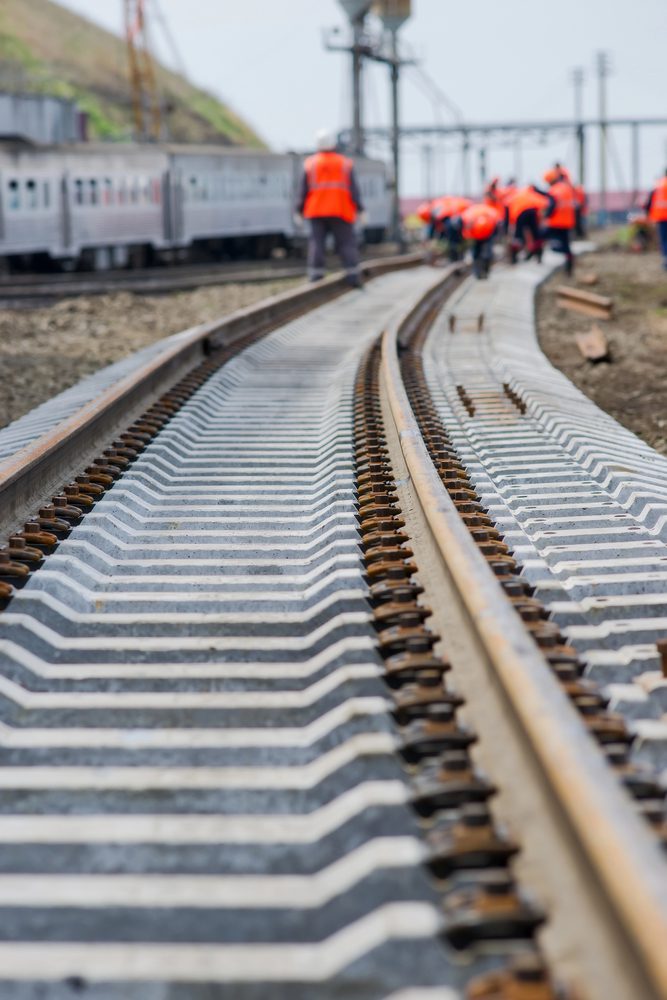 Vegetation problems are often dismissed as cosmetic, but they can signal larger maintenance issues. Red flags include:
- Vegetation interfering with ballast shoulders
- Growth-restricting drainage paths
- Trees or roots affecting track stability
Unchecked vegetation contributes to moisture retention, drainage failure, and reduced visibility during inspections, increasing the likelihood of missed defects.
Operational Warning Signs That Indicate Track Issues
6. Increasing Speed Restrictions
Temporary slow orders are sometimes unavoidable, but a growing number of speed restrictions often signals unresolved track problems. Common causes include:
- Geometry defects exceeding allowable limits
- Tie or rail condition issues
- Turnout or crossing deterioration
When speed restrictions become routine rather than temporary, the track is telling you it needs attention beyond spot repairs.
7. Rough Ride or Unusual Equipment Feedback
Train crews are often the first to notice early track problems. Reports of:
- Rough ride conditions
- Excessive vibration
- Wheel climb tendencies
These operational indicators frequently point to underlying rail condition issues that require inspection and corrective action.
8. Increased Maintenance Frequency Without Lasting Improvement
If maintenance cycles are becoming shorter without improving track performance, it may indicate that repairs are addressing symptoms rather than root causes. This pattern is a strong signal that:
- Structural rehabilitation may be needed
- Maintenance strategy requires reassessment
- Budget planning should shift toward long-term solutions
Repeated short-term fixes often cost more over time than addressing the underlying problem once.
Special Trackwork and High-Risk Areas to Watch Closely
9. Turnout Performance Issues
Turnouts experience higher stress than tangent track and often show early signs of failure. Warning signs include:
- Worn switch points or frogs
- Poor switch closure or alignment
- Excessive wear at guard rails
Because turnouts directly affect routing and operations, even minor defects can have outsized operational impacts.
10. Roadway Crossing Deterioration
Crossings are another high-risk area where rail condition issues appear early. Signs include:
- Settled or uneven crossing surfaces
- Loose panels or degraded approaches
- Drainage problems near the crossing
Crossing failures can quickly lead to public safety concerns and regulatory scrutiny.
Why Ignoring Warning Signs Gets Expensive Fast
When track maintenance warning signs are ignored, the cost curve rises sharply. What could have been addressed with planned maintenance often becomes:
- Emergency repair work
- Extended outages
- Regulatory violations or fines
- Increased liability exposure
Emergency responses also reduce scheduling flexibility, increase labor and equipment costs, and disrupt customer service.
Turning Warning Signs into Actionable Maintenance Plans
Recognizing rail condition issues is only the first step. The real value comes from translating those observations into a clear plan. A professional evaluation can:
- Identify root causes instead of surface symptoms
- Prioritize repairs based on risk and budget impact
- Support accurate maintenance and capital planning
- Reduce long-term costs and service disruptions
When inspections, maintenance planning, and construction services are aligned, railroad owners gain control over both infrastructure performance and financial outcomes.
How Track Tech Helps Railroad Owners Stay Ahead of Problems
Track Tech works with short line, industrial, and commercial railroad owners to identify early warning signs and address them efficiently. By combining deep railroading experience with modern Maintenance of Way equipment, Track Tech helps clients:
- Detect track maintenance warning signs early
- Resolve rail condition issues before failures occur
- Reduce outages through efficient planning and execution
- Maintain compliance while controlling costs
Proactive maintenance is always less disruptive and more cost-effective than emergency response.
How to Stay Ahead of Track Issues with Trach Tech Inc.
Railroad track almost always tells you when it needs attention. Visible wear, recurring defects, operational feedback, and drainage problems are not inconveniences to work around; they are signals that action is needed.
By recognizing track maintenance warning signs and addressing rail condition issues early, railroad owners can protect safety, maintain compliance, and extend the life of their infrastructure.
Learn more about Track Tech’s track inspection, maintenance, and railroad construction services.