Book a Consultation
Classifications and Credentials:


Can an Abandoned Rail Spur Be Reactivated? What Facility Owners Should Know
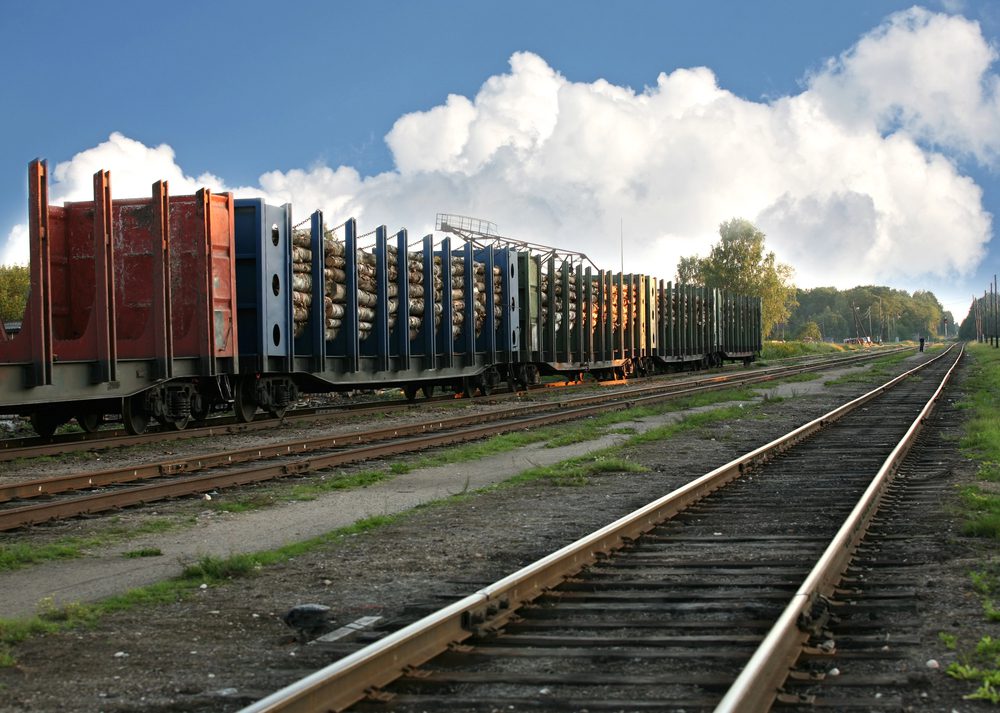
If you own a facility with a dormant rail siding, you may be wondering whether you can reactivate rail spur service without starting from scratch. Before any track work begins, you need clear title or easement rights, a sense of whether the line was formally abandoned, and patience for a process that usually takes months, not weeks. We have walked plenty of facility owners through this exact question over the years, and the answer almost always comes down to legal groundwork first and track work second.
Step 1: Confirm Ownership and Easement Rights
Before you call anyone about steel and ties, pull the deed records for your property and any recorded easements tied to the spur. In many cases a facility owner assumes they own the track outright, only to discover the right-of-way was granted to a railroad decades ago and never formally reconveyed. That distinction matters enormously once you start planning repairs, because you cannot authorize work on land you do not control.
Look for reversionary clauses in the original easement or deed language. These clauses often state that if rail service ceases for a defined period, or if the track is removed, the right-of-way reverts to the property owner or to an adjacent parcel owner. If a reversion has already triggered, you may actually own more of the corridor than you thought, which simplifies things. If it has not triggered, the original railroad or a successor entity may still hold an active interest.
That leads to the next check: figure out who, if anyone, still claims the spur. Short lines get bought and sold, and holding companies sometimes retain paper interests in track long after regular service stopped. A title search or a conversation with the local short line dispatcher can save you from spending money on engineering studies for a spur someone else has legal standing to block. Get this sorted before you commit budget to anything else. It is the single most common place we see facility owners lose time, because everything downstream, including any agreement to reactivate rail spur service with a connecting carrier, depends on clear ownership.
Step 2: Determine Whether the Line Was Abandoned or Just Out of Service
There is a real legal difference between track that was formally abandoned and track that simply went quiet. When a railroad wants to walk away from a line for good, it typically files for abandonment authority with the Surface Transportation Board. Once that authority is granted and exercised, the common carrier obligation ends, and the line is no longer part of the interstate rail network in the eyes of federal regulators.
Out-of-service track is a different animal. It may not have moved a car in fifteen years, but if no abandonment was ever filed, the underlying rail corridor and the obligations tied to it are technically still intact. Search the STB’s records for filings tied to your specific spur or the branch line it connects to. This is public information, and it is worth the hour it takes to check before you assume either outcome.
If you find a formal abandonment on record, plan on your abandoned railroad track restoration project looking more like building a new connection than repairing an old one. You may need a fresh industry track agreement, a new physical tie-in to the mainline, and possibly right-of-way negotiations if the reversion already handed the corridor to someone else. If there was no formal abandonment, you are usually looking at a more straightforward path back to service, since the legal relationship with the connecting railroad never technically ended.
Step 3: Get the Connecting Railroad’s Agreement
Once ownership and legal status are settled, talk to the connecting carrier before you spend a dollar on physical repairs. The railroad controls the interchange point, and nothing you do on your side of the switch matters if they will not accept cars there. This conversation should happen early, not after you have already rebuilt ties and ballast on the assumption they will say yes.
Come to that conversation with real numbers. Railroads evaluate a reactivation request based on projected car volume and switching frequency, because a spur that generates two cars a month is a very different commitment for them than one moving twenty. Be honest about your expected traffic. If the volume looks thin, the carrier may still agree, but they may also require you to cover more of the switch connection costs than they would for a higher-volume customer.
Ask directly what standards they will hold the switch connection to. Clearance requirements, turnout design, and derail placement near the connection point are all things the connecting railroad will inspect and approve before they let a single car cross onto their track. Getting this list in writing up front means your rehabilitation scope is built around their actual requirements instead of guesswork. It also gives you a much more accurate cost picture before you finalize a budget for the reactivation.
Step 4: Assess the Physical Condition of the Dormant Rail Siding
With ownership and railroad buy-in in place, it is time to walk the line. Cover the full length of the dormant rail siding on foot, checking tie condition at regular intervals, noting where ballast has become fouled with fines and vegetation, and paying close attention to drainage. Standing water pooled against the rail, plugged culverts, and rotted ties are the most common reasons a reactivated spur fails its first real inspection, and they are usually visible to the naked eye if you know what to look for.
The turnout deserves special attention. Years of no traffic and no maintenance take a heavier toll on switch components than on plain track. Check the points for wear and proper fit against the stock rail, look at the frog for chipping or flow, and try the switch stand to see whether it throws cleanly or has seized from rust and debris. Turnout problems are consistently the single largest driver of unplanned cost in these projects, because a switch that looks serviceable from a distance can turn out to need a full rebuild once you get a technician on it. Our guide on how a railroad turnout is installed is a useful reference if you want to understand what a proper rebuild involves.
Document everything as you go. Photographs, tie counts, ballast depth measurements, and notes on drainage structures give you a factual basis for the rehabilitation scope rather than a rough guess. This record also becomes useful later when you are comparing contractor bids or explaining the project to ownership or insurance. A thorough condition assessment at this stage, similar to what our track inspection services team performs on active lines, is what separates an accurate budget from an expensive surprise halfway through construction.
Step 5: Clear Vegetation and Address Grade Crossings
Vegetation is usually the most obvious sign that a spur has sat idle for years. Brush and small trees root into the ballast section, sight lines get obscured, and root growth can actually shift ties and disturb the subgrade underneath. Clearing this growth back to a proper width along the entire spur is basic groundwork, but it also lets your inspection team actually see the condition of the ties and ballast underneath, which is why we typically handle this before finalizing a rehabilitation scope. For more detail on keeping a spur in serviceable condition once it is back in use, see our page on rail spur maintenance.
Grade crossings deserve their own line item in your planning. Check the crossing surface for heaving, gaps, or deteriorated planking, confirm that warning signage still meets current standards, and if the crossing has active warning devices, find out whether they still function or have been abandoned along with the track. A crossing that has not seen a train in a decade often needs surface replacement even if the rail itself is in reasonable shape.
Coordinate with the local road authority as early as possible. Crossing work frequently involves permits, traffic control plans, and sometimes state DOT sign-off, and that approval process can run longer than the actual track rehabilitation. We have seen projects where the track work was essentially done while the crossing permit was still working its way through a county office. Building that lead time into your schedule from the start avoids a finished spur sitting idle because a crossing certification has not cleared.
Step 6: Complete Spur Rehabilitation Work
With the condition assessment complete and the connecting railroad’s requirements in hand, the actual spur rehabilitation begins. Sequence matters here. Tie replacement, ballast regulation, and drainage repair should come first, because surfacing and alignment work performed over bad drainage or rotten ties will not hold. We have re-done work for facility owners who hired a contractor to simply resurface a spur without addressing the drainage problem underneath it, and the track was out of gauge again within a season.
If your inspection found a worn turnout, rebuild it properly rather than patching individual components. A patched switch with a worn frog or mismatched points might pass a casual look, but it will keep generating maintenance calls and increases the risk of a derailment at exactly the point where the connecting railroad is watching most closely. Our turnout installation crews approach these connections as a full component swap when the wear justifies it, since a partial fix rarely holds up under repeated interchange traffic.
Grade crossing repairs, culvert or drainage structure replacement, and tie and ballast work all touch different disciplines, and sequencing them wrong adds cost and delay. Track crews, drainage contractors, and crossing signal technicians often need to coordinate schedules so that, for example, drainage work is finished before ballast is placed, and crossing surface work lines up with the track geometry once it is corrected rather than before. This is exactly the kind of multi-discipline project where a turnkey project management approach pays for itself, because one team is managing the sequence instead of several contractors working around each other’s schedules. For facility owners handling their first reactivation, this coordination is usually the difference between a project that finishes on budget and one that drags on for an extra construction season.
Step 7: Reinspect and Clear the Spur for First Movement
Before any car moves on the rehabilitated spur, run a complete track inspection covering gauge, cross level, surface, and joint condition end to end. This inspection is what you bring to the connecting railroad for their final sign-off, and it is also your own record that the work meets a standard you are willing to stand behind. Do not skip this step just because the visible work looks finished. Problems with gauge or cross level are not always obvious from a walking inspection alone.
Most reactivated industry spurs operate under FRA excepted track standards rather than the higher classes used on mainline routes, and we cover what that means for speed limits and inspection frequency in our separate guide on excepted track. It is worth reading before you finalize your operating plan, since it affects how often you will need to inspect the spur going forward.
Once the inspection is clean and the connecting railroad has signed off, do not jump straight to full production traffic. Run a slow test movement first, ideally with an empty car or one carrying a light load, and have someone walk portions of the line during that first pass watching for any movement in the track structure. This test run is a low-cost way to catch a problem, like a soft spot in the subgrade that did not show up during inspection, before it causes a real incident with a loaded car. Once that test movement goes cleanly, you can move forward with confidence that the spur is genuinely ready for regular service.
Weighing the Real Cost Against the Payoff
Reactivating a rail spur is almost always possible on paper, but whether it makes financial sense depends on how clean your ownership picture is, how interested the connecting railroad actually is in your projected volume, and how much of the original track structure survived years of dormancy. Projects tend to lose their economic sense when a formal STB abandonment requires building an entirely new connection, when projected car counts are too low to interest the connecting carrier, or when grade crossing and signal upgrades required by the local road authority pile on cost that the rest of the project cannot absorb. Knowing that going in saves you from chasing a reactivation that was never going to pencil out.
We have walked enough facility owners through this process to know that an honest condition assessment early on is worth far more than an optimistic estimate. If you have a dormant rail siding on your property and want a straight answer on what it would actually take to reactivate rail spur service, reach out to our team at Track Tech. Learn more about our services, or visit our home page to see the full range of work we handle across Kentucky, Illinois, and Tennessee.