Book a Consultation
Classifications and Credentials:


Upgrading Industrial Track for Heavier Loads and Higher Traffic
Industrial rail operations are changing. Facilities are moving more material, handling heavier railcars, and running trains more frequently than ever before. What once worked for light switching operations or occasional movements may no longer be enough. As traffic increases and axle loads rise, aging infrastructure can quickly become a liability. Strategic industrial track upgrades are no longer optional for many facilities. They are essential for safety, efficiency, and long-term cost control.
Upgrading track to support heavier loads and higher traffic is not about overbuilding. It is about aligning your infrastructure with current and future operational demands. When planned correctly, heavy haul track solutions reduce derailment risk, extend asset life, and minimize unplanned outages that disrupt operations.
This guide breaks down what industrial railroad owners need to know when preparing for increased demands on their track.
Why Industrial Track Must Evolve With Operational Demands
Many industrial tracks were originally built for lighter cars, lower speeds, and intermittent use. Over time, facilities grow, customers change, and shipping volumes increase. The result is infrastructure that no longer matches how it is being used.
Heavier loads introduce higher stresses on rail, ties, ballast, and subgrade. Increased traffic accelerates wear and magnifies existing defects. Without proper upgrades, this combination leads to rapid deterioration, safety risks, and escalating maintenance costs.
Industrial track upgrades are not just about supporting heavier cars. They are about consistent performance under repetitive loading while maintaining compliance and operational reliability.
Understanding Load and Traffic Impacts on Track Structure
Axle Loads and Stress Distribution
As axle loads increase, the force transferred through the rail and into the supporting structure rises. Heavier cars place greater demands on:
- Rail section strength
- Tie bearing capacity
- Ballast depth and quality
- Subgrade stability
If any layer in this system is weak, the entire structure suffers. Rail wear accelerates, ties degrade faster, and ballast breaks down under repeated loading.
Traffic Frequency and Fatigue
Higher traffic levels introduce fatigue into the track structure. Even moderate axle loads can cause issues when trains run frequently. Rail fatigue defects, fastener loosening, and geometry degradation occur faster when infrastructure is not designed for sustained use.
Heavy haul track solutions must account for both load magnitude and repetition.
Evaluating Existing Track Before Upgrading
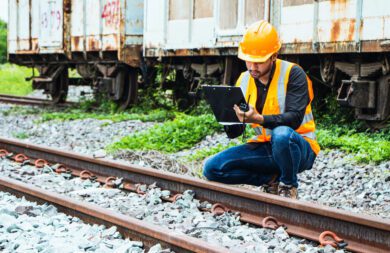
Before any upgrade begins, a comprehensive evaluation of existing conditions is critical. Guessing or relying on outdated records leads to ineffective investments.
Track Inspection and Condition Assessment
A professional inspection should evaluate:
- Rail size, wear patterns, and fatigue indicators
- Tie condition and spacing
- Fastener integrity
- Ballast depth, fouling, and drainage
- Subgrade stability
- Geometry conditions
This inspection provides a baseline for identifying which components can remain and which require replacement.
Load Capacity Analysis
Understanding current load capacity versus future demands is essential. Many industrial tracks operate beyond their original design without realizing it. A load capacity assessment highlights where reinforcement or full replacement is necessary.
Industrial Track Upgrades for Heavy Loads
Upgrading Rail Section
One of the most common industrial track upgrades involves replacing lighter rail with heavier sections. Larger rail sections distribute loads more effectively and resist wear and fatigue.
Benefits include:
- Improved load distribution
- Reduced rail head wear
- Increased resistance to fatigue cracking
- Longer service life
Choosing the correct rail size depends on axle loads, traffic volume, and curvature.
Tie Replacement and Spacing Improvements
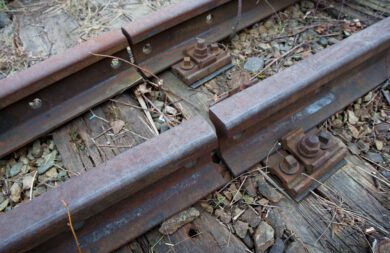
Ties play a critical role in load transfer. Older timber ties or insufficient spacing may not provide adequate support for heavy haul operations.
Upgrades may include:
- Installing new hardwood or concrete ties
- Increasing tie density in high-stress areas
- Replacing deteriorated ties to restore load distribution
Proper tie condition is essential for maintaining gauge and geometry under load.
Fastener and Plate Enhancements
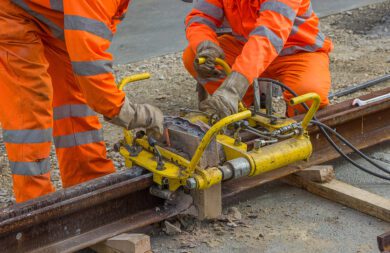
Heavier loads increase demands on fastening systems. Upgrading fasteners and plates helps maintain rail stability and prevent movement.
Common improvements include:
- Heavier tie plates for better load distribution
- Improved fastening systems to resist loosening
- Enhanced anchoring to control longitudinal rail movement
These upgrades reduce maintenance needs and improve overall track performance.
Ballast and Subgrade Improvements for Heavy Haul Track Solutions
Ballast Depth and Quality
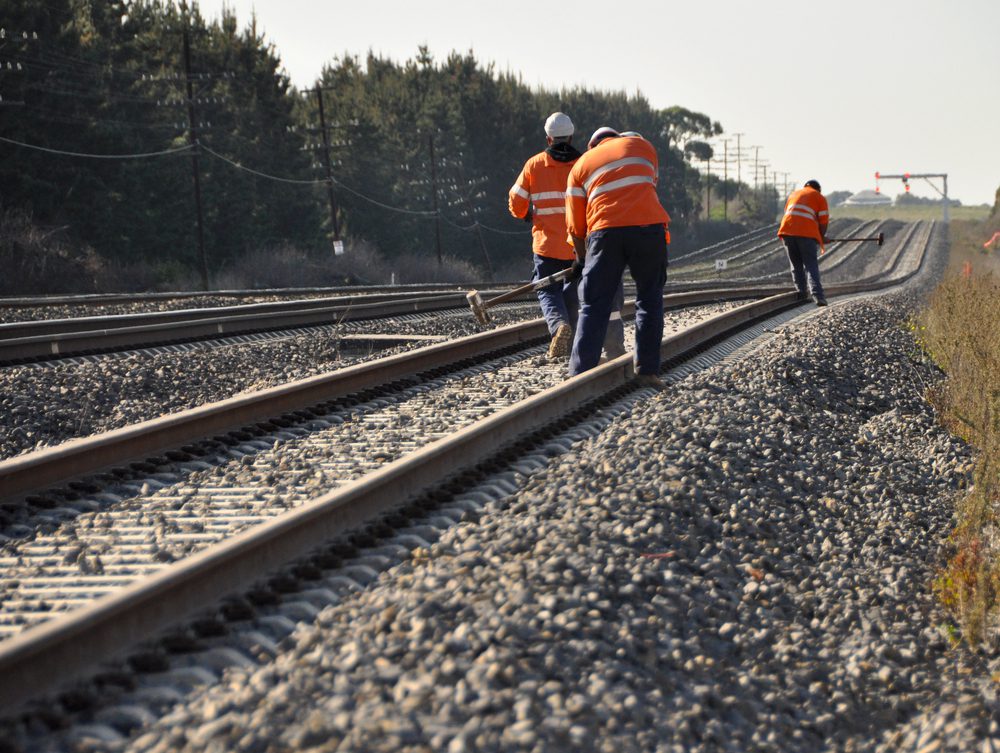 Ballast serves as the foundation of the track structure. Inadequate depth or poor-quality ballast cannot support heavier loads effectively.
Upgrading ballast may involve:
- Increasing ballast depth
- Replacing fouled ballast
- Improving shoulder width for lateral stability
Clean, angular ballast improves drainage and load distribution.
Subgrade Stabilization
Subgrade issues often go unnoticed until heavier loads expose them. Weak or saturated subgrade leads to pumping, settlement, and rapid geometry loss.
Solutions include:
- Subgrade reinforcement
- Geotextile installation
- Improved drainage systems
Addressing subgrade problems is critical for long-term heavy haul performance.
Geometry and Alignment Considerations
Heavy loads and frequent traffic magnify the effects of poor geometry. Curves, turnouts, and transitions require special attention.
Curve Reinforcement
Curves experience higher lateral forces. Upgrading curves may involve:
- Heavier rail sections
- Increased tie density
- Improved superelevation
- Enhanced lubrication systems
These measures reduce wear and derailment risk.
Turnout and Crossing Upgrades
Turnouts are among the most stressed components in any industrial track system. Heavy haul operations often require reinforced turnout designs, upgraded components, and more frequent inspection.
Phased Upgrade Planning to Minimize Disruption
Industrial facilities cannot always shut down operations for extended periods. Phased upgrade strategies allow work to be completed while minimizing downtime.
Effective planning includes:
- Prioritizing high-risk areas
- Scheduling work during low-traffic periods
- Coordinating upgrades with operational needs
This approach spreads costs over time while improving safety incrementally.
Long-Term Benefits of Industrial Track Upgrades
Well-planned upgrades deliver measurable benefits:
- Improved safety and reduced derailment risk
- Lower long-term maintenance costs
- Increased capacity and operational flexibility
- Extended asset life
- Better compliance with industry standards
Heavy haul track solutions are an investment in reliability and predictability.
How Track Tech Supports Industrial Track Upgrades
Track Tech provides inspection, planning, and construction services designed to support heavier loads and increased traffic. Our team evaluates existing conditions, identifies risks, and develops upgrade strategies that align with operational goals.
To learn more about inspection, maintenance, and construction services, visit the Track Tech service pages or contact our team directly.